WASH related engagement formed a core part of the programme. In Bolgatanga, a workshop with local media addressed grey water treatment in senior high schools and sanitation challenges in marketplaces across the area. The session focused on Integrated Water Resources Management challenges and the outlook for 2026.
Later in the week, a dedicated workshop was organised for headteachers from selected senior high schools. This included a field visit to the grey water treatment facility at Gowrie Senior High School. Headteachers from Kpasenkpe and Gambaga were among those sensitised on WASH practices and management considerations related to grey water treatment. The aim was to motivate the schools to work together and make use of the lessons learnt at Gowrie Senior High School. Next visit we'll continue the discussions on cooperation.
Working with traditional leadership
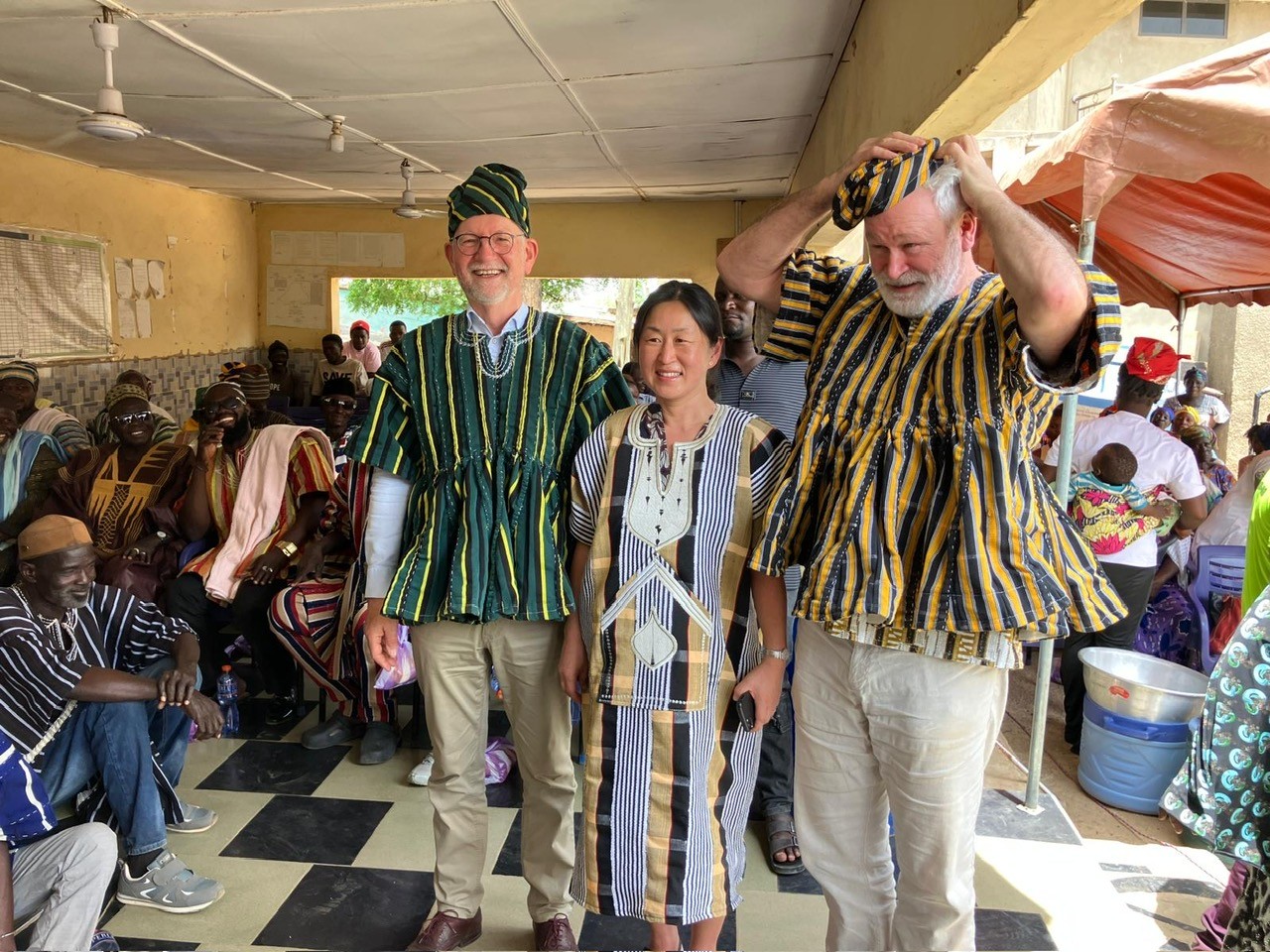
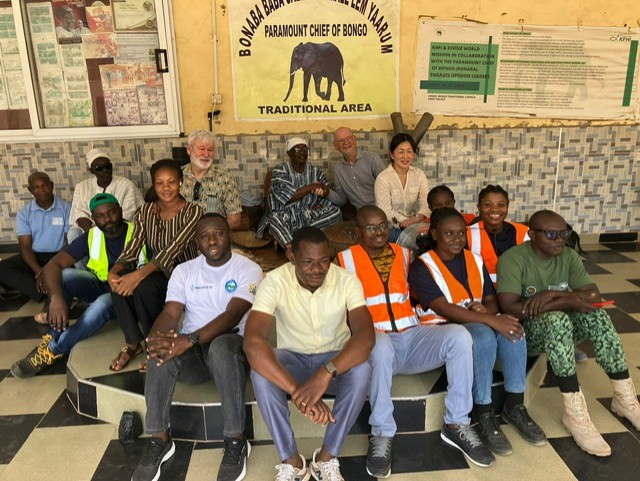
Courtesy calls on the Paramount Chief of the Bongo Traditional Area were an important part of the programme. Engagement with traditional leadership provided an opportunity to discuss expectations regarding sanitation facilities, land management and aftercare. This local dialogue remains essential for sustained use and protection of shared infrastructure.
The Paramount Chief has appointed Environmental Chiefs in his area, who have an encouraging role in spreading WASH practices throughout the Bongo area.
Institutional dialogue and preparing Phase 2b
Beyond the field programme, the mission created time for structured institutional reflection.
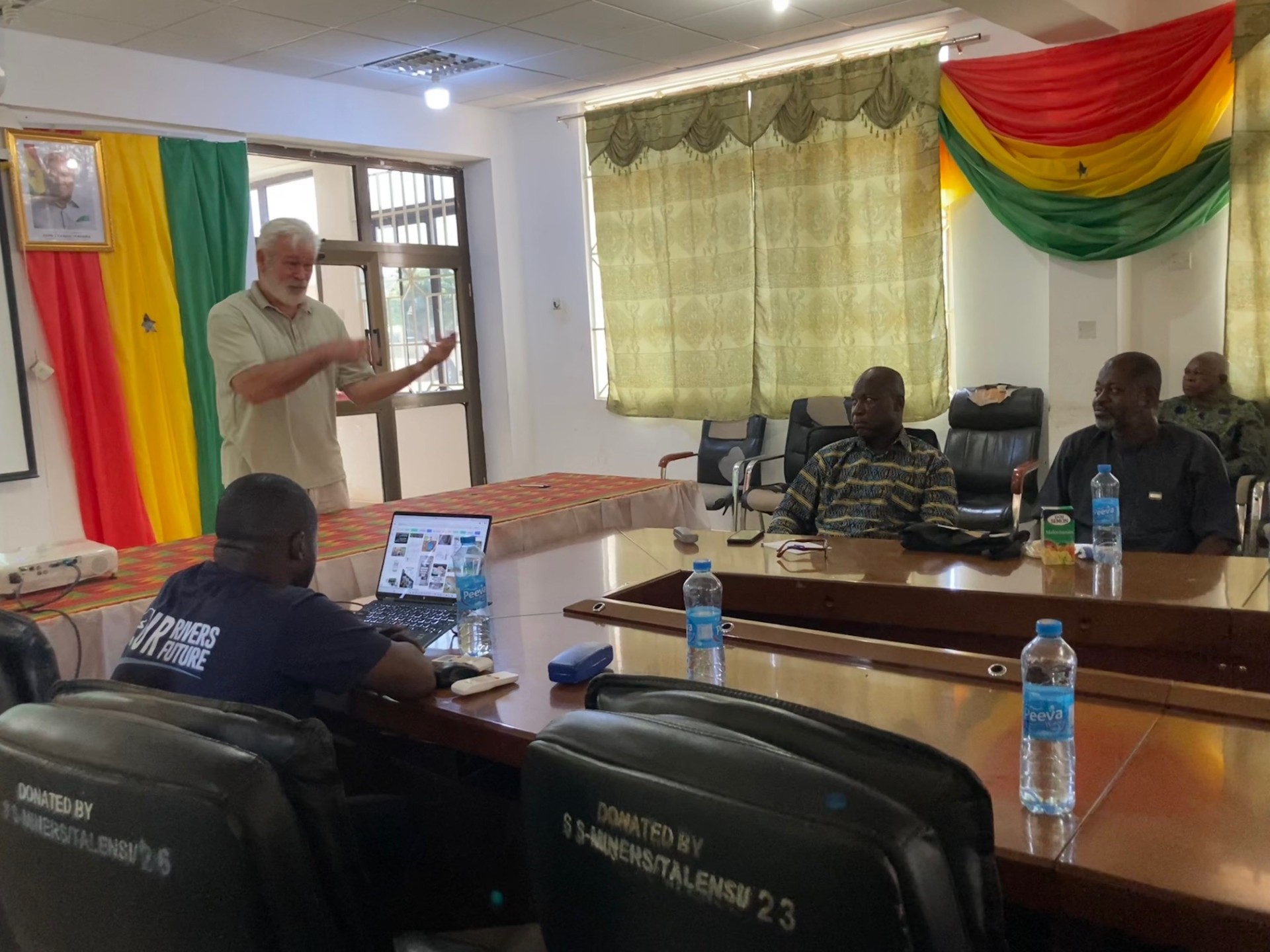
An in‑house meeting between Blue Deal partners and the Water Resources Commission in Bolgatanga reviewed the Mid‑Term Review findings and reflected on the week’s observations. Participants discussed priorities for the 2026 annual plan and explored the content and direction of Phase 2b.
A central conclusion was the need to match ambition with available resources. Basin staff agreed to prioritise activities within realistic budget envelopes, strengthening credibility with partners and funders. An outline plan for 2026 and an initial outlook for the multiannual period from 2027 to 2030 were agreed.
Linking basin authorities and utilities
In meetings with WaterWorX and VEI, the partners agreed that staff from the Water Resources Commission involved in the Blue Deal can participate in a utility training programme. This creates a practical bridge between basin management and utility operations, allowing basin officers to better understand service delivery constraints and opportunities.
Such exchanges are increasingly important as water allocation, abstraction and wastewater management decisions affect urban and periurban utilities.
Exploring cooperation with the Dutch Embassy
Discussions with the Dutch Embassy explored opportunities for cooperation around horticulture and cacao farming, sectors where water availability and quality play a central role. While exploratory, these conversations highlighted the potential to align basin management objectives with broader economic development and climate resilience agendas.
Looking ahead
The March mission closed with a shared sense of direction. Leadership transition has been completed in a planned and transparent way. Key assets in Bongo are operational. Priorities for the coming year have been clarified and aligned with available resources.
As the partnership moves towards Phase 2b, the focus will remain on strengthening institutional capacity within the Water Resources Commission and deepening collaboration across the water sector. For communities in the White Volta Basin, the long-term aim remains unchanged. Water resources that are managed sustainably, services that function reliably and institutions that are equipped to meet future challenges.