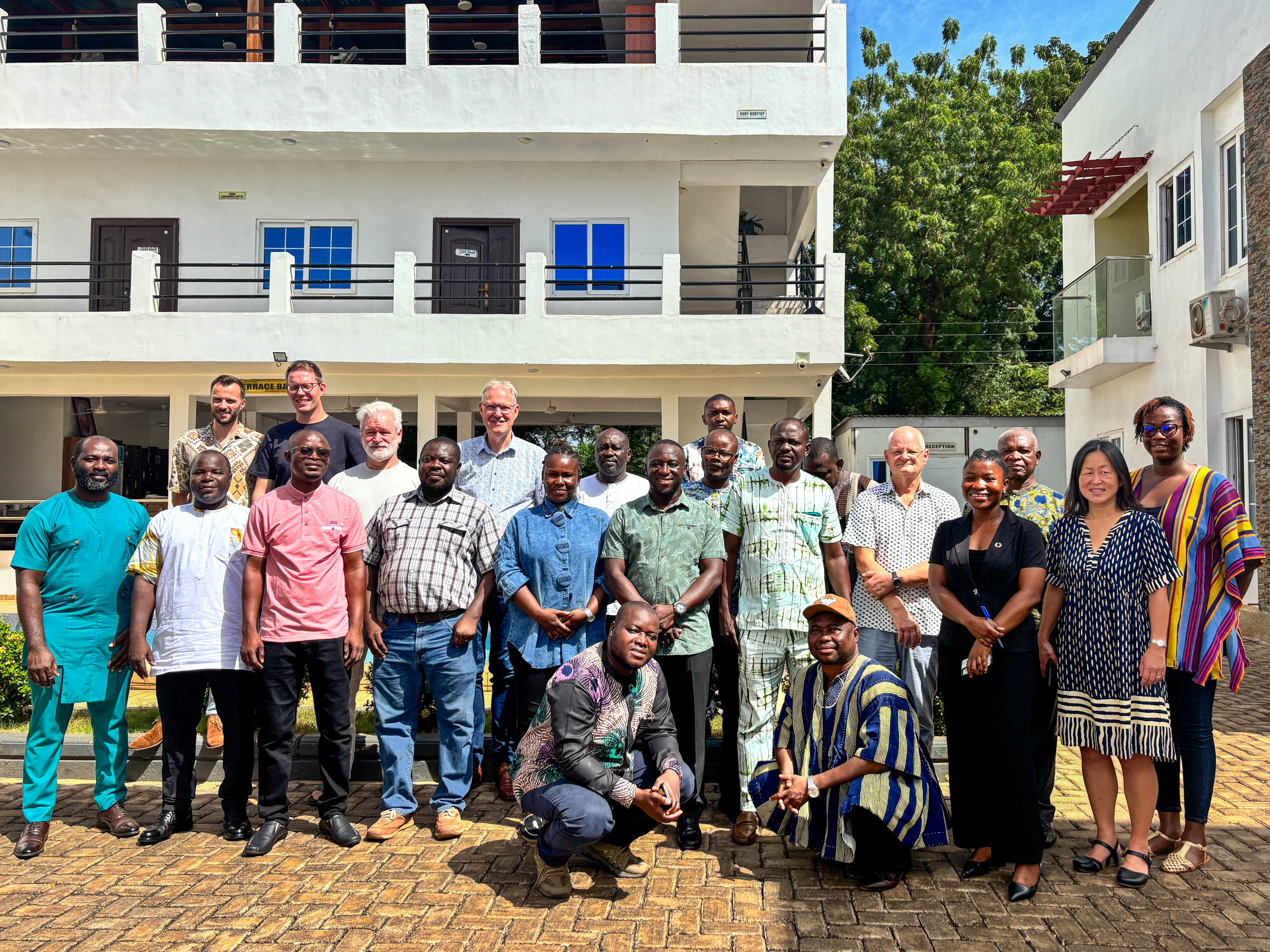
As climate change and environmental degradation place increasing pressure on shared water resources, cooperation between countries sharing the same river basin has become more important than ever. From 26 to 29 October 2026, representatives from Burkina Faso, Ghana and the Netherlands gathered in Tamale, Ghana, for a regional workshop held under the Blue Deal programme. The workshop aimed to strengthen knowledge exchange and promote transboundary cooperation on Nature-based Solutions (NbS) in the White Volta Basin and led to a planned December study visit, carrying mutual learning on nature-based solutions into a concrete next step.
The White Volta connects upstream and downstream responsibilities
Although separated by a national border, Burkina Faso and Ghana are connected by the flow of the White Volta River. Known as the Nakanbé in Burkina Faso, the river flows south from Burkina Faso into Ghana, and the consequences of deforestation, erosion and changing rainfall patterns upstream can be felt downstream. Soil loss prediction models estimate that 20% of the basin is under severe risk of soil erosion. Through the Blue Deal, World Waternet and local partners in both countries are working to address these challenges, while using the shared watershed as an opportunity to exchange knowledge, compare results and scale up successful approaches to river basin management.
Blue Deal partners join forces across Burkina Faso and Ghana
In the White Volta Basin, Blue Deal partners are working together to reduce erosion, restore watersheds and strengthen climate resilience. In Burkina Faso, World Waternet, Waterschap Amstel, Gooi en Vecht, Waterschap De Dommel and the Agence Nationale des Bassins Hydrographiques (ANABH) are implementing and testing nature-based solutions such as Vetiver grass planting, gully rehabilitation and infiltration measures. At the Dori reservoir, 8,000 Vetiver plants have been planted along 1.5 kilometres of shoreline to stabilise soil and reduce sediment runoff, while stone-filled gabions are helping to restore erosion gullies in the country's southwest. These interventions are supported by scientific research to better understand their effectiveness and potential for upscaling.
In Ghana, World Waternet, Waterschap Aa en Maas and the White Volta Basin Secretariat of the Water Resources Commission (WRC) are pursuing similar goals through watershed restoration, vegetation management and seedling nurseries that help improve soil stability and ecosystem resilience. As both countries face many of the same challenges, the two programmes provide valuable opportunities to exchange experiences, compare approaches and identify solutions that can be applied across borders.
Sharing lessons across borders
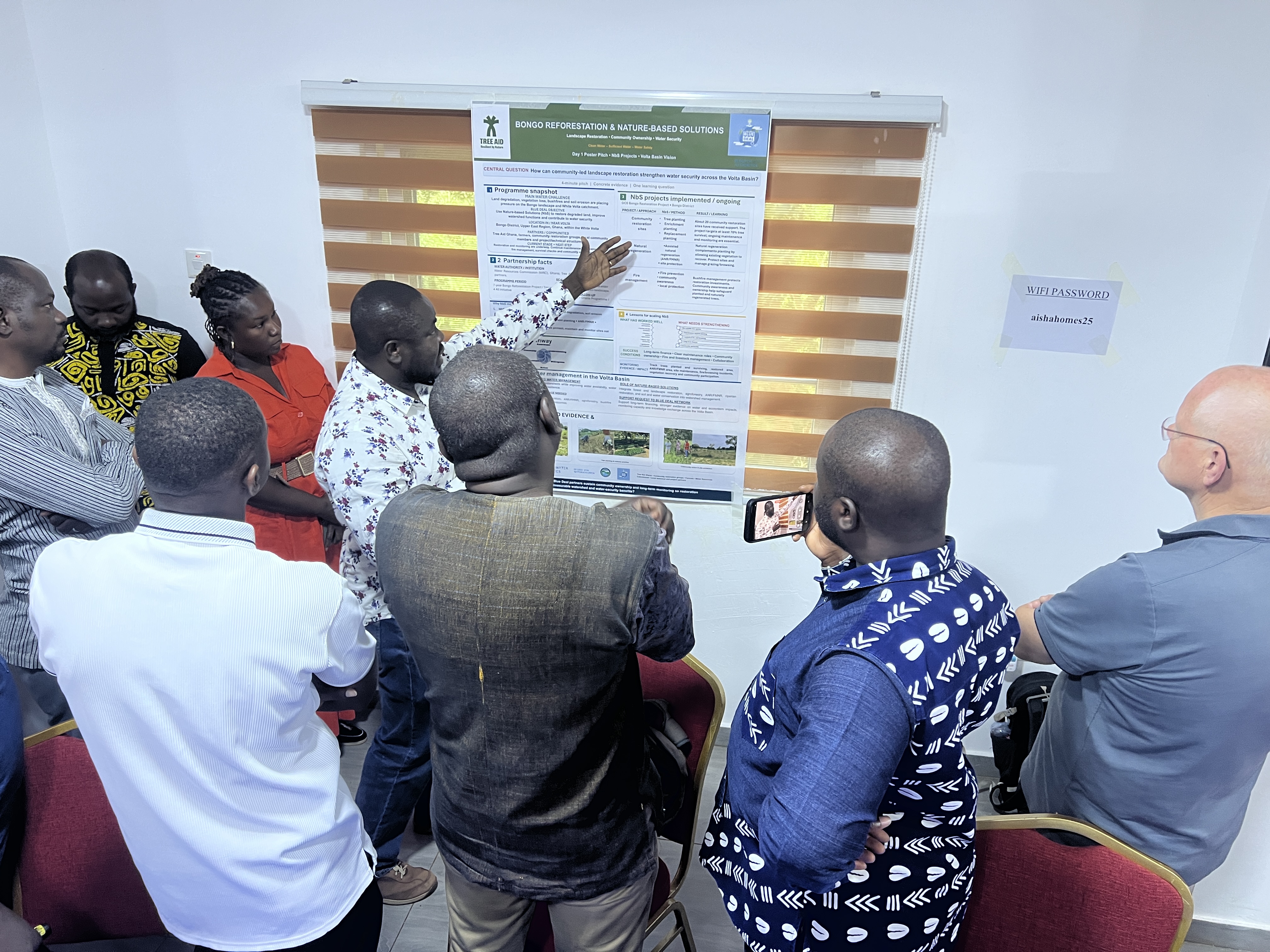
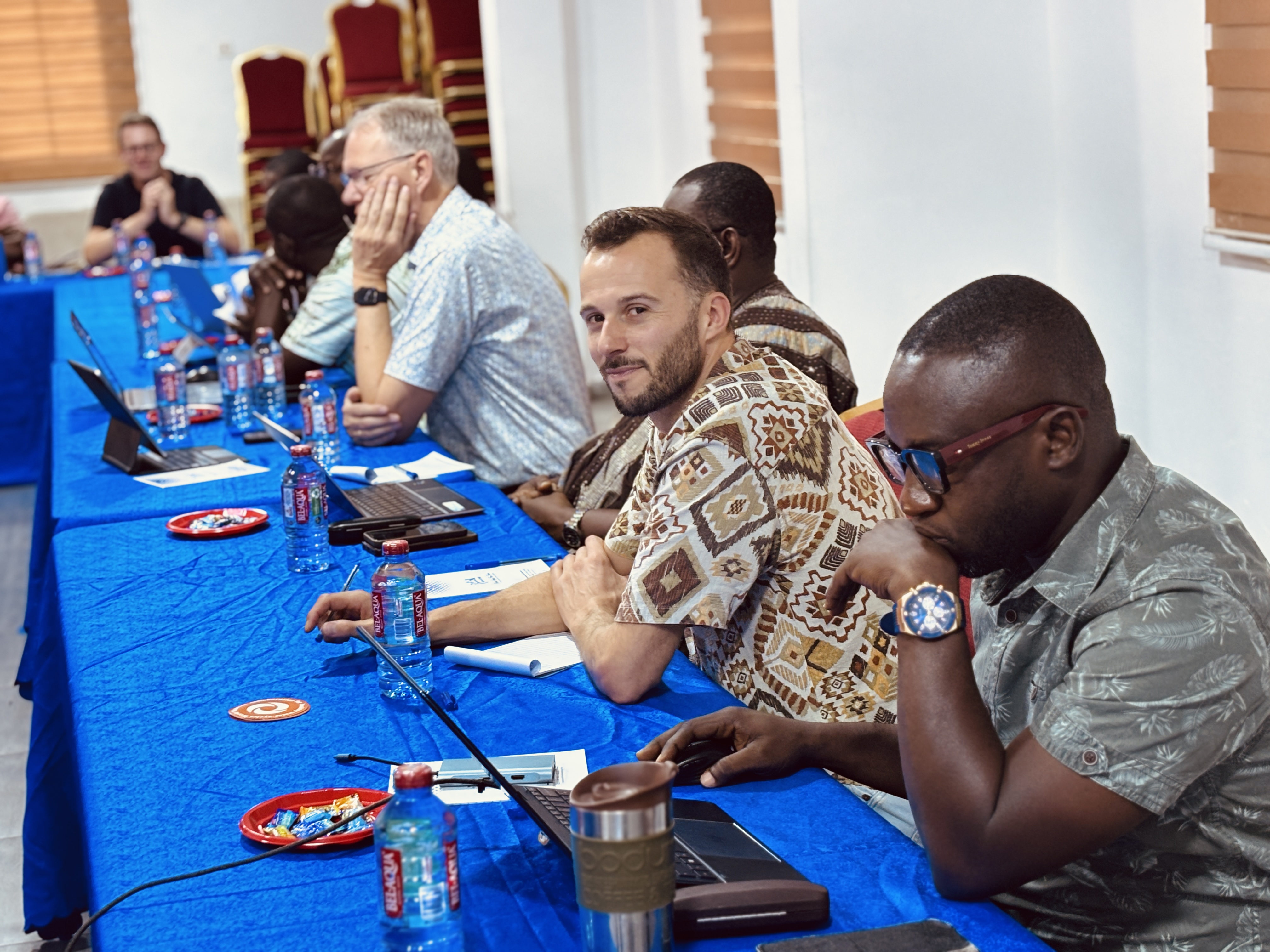
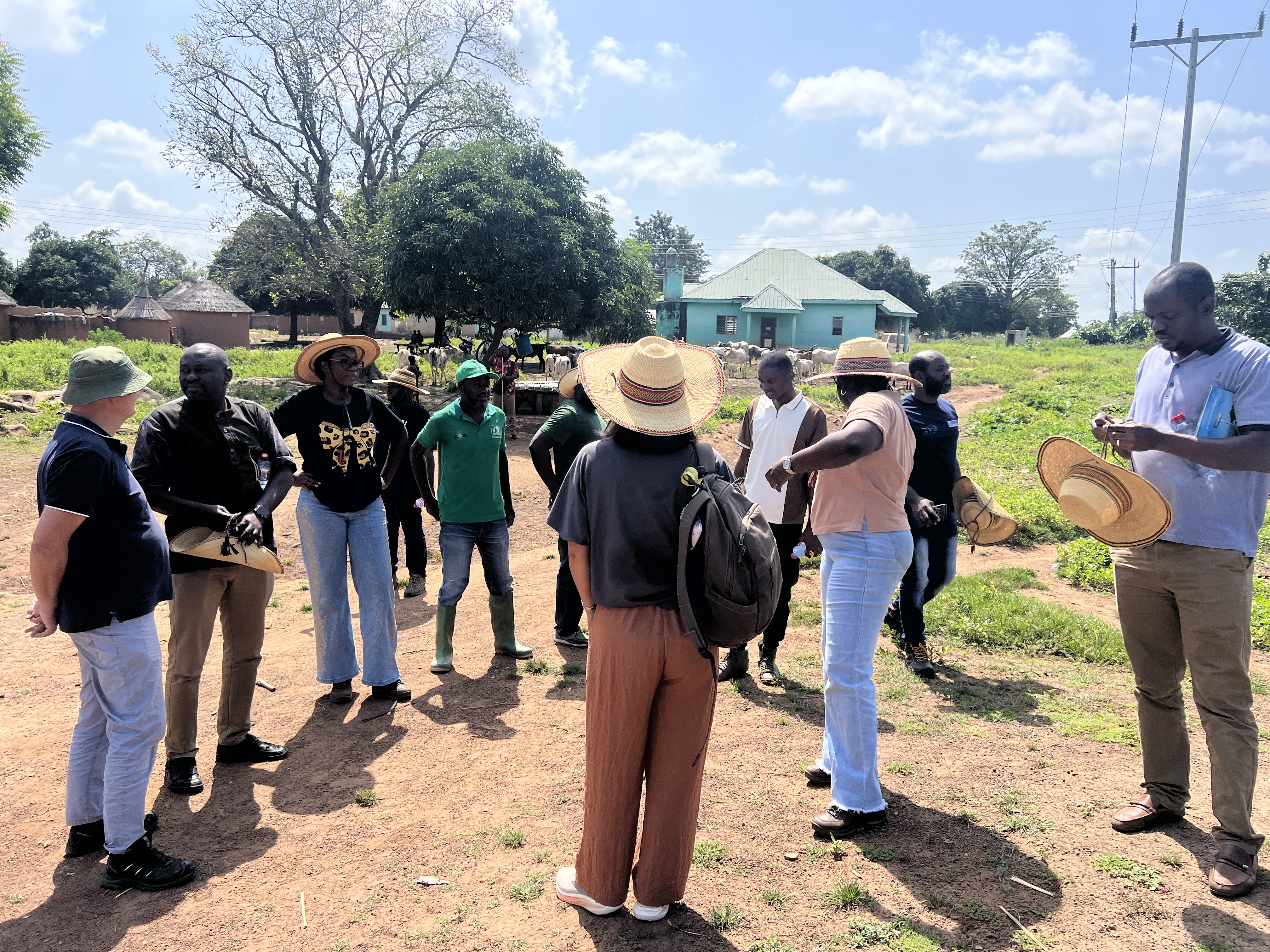
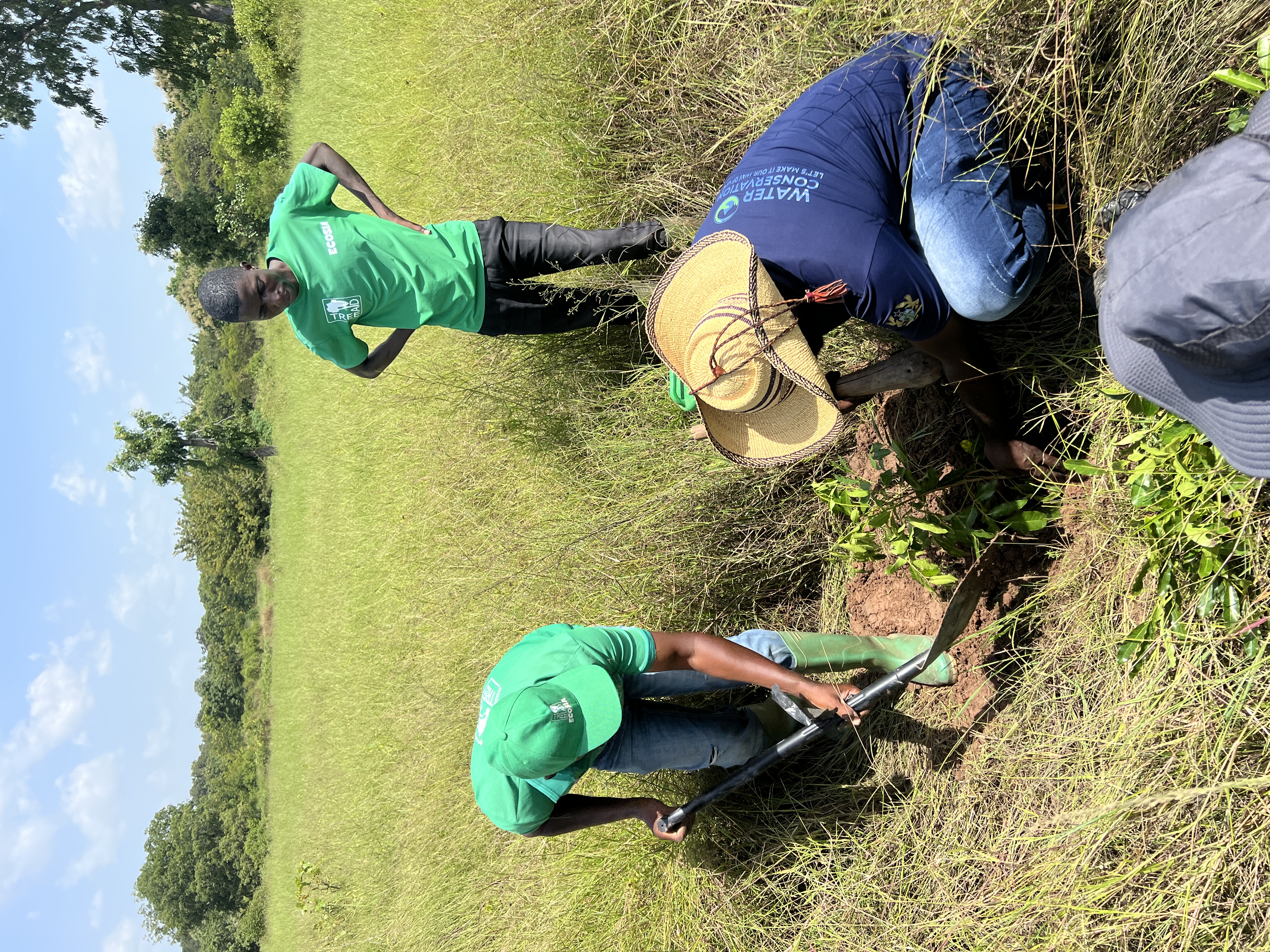
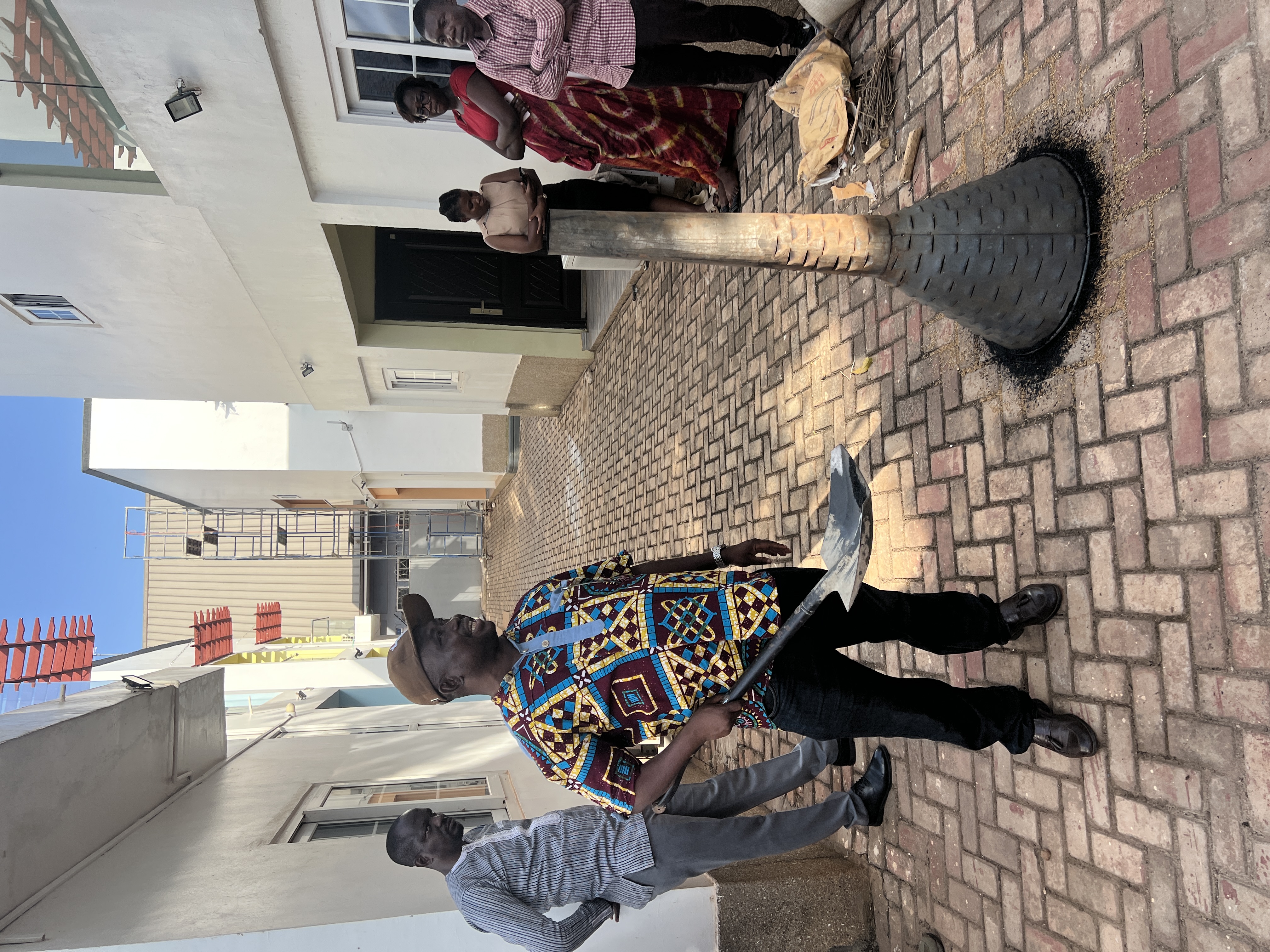
The four-day workshop was organised by World Waternet and the Blue Deal programme in collaboration with local partners Agence Nationale des Bassins Hydrographiques (ANABH) from Burkina Faso and the Water Resources Commission (WRC) from Ghana, together with Tree Aid and the Dutch water authorities. Through technical presentations, experience-sharing sessions, group discussions and field visits, participants explored practical approaches to watershed restoration and erosion control. Discussions focused on interventions such as Vetiver grass, infiltration dikes, the zaï technique and the restoration of riparian vegetation. The workshop created a platform for ANABH and WRC to exchange experiences from their respective Blue Deal programmes and compare lessons learned with Dutch expertise in Integrated Water Resources Management (IWRM), helping to identify approaches that can be adapted and scaled up across the White Volta Basin.
What Burkina Faso and Ghana can learn from each other
With two Blue Deal programmes that have reached different stages of implementation, there are valuable opportunities for mutual learning. With additional funding from the Embassy of the Kingdom of the Netherlands, the Burkina Faso programme has progressed beyond pilot projects and is implementing Nature-based Solutions at multiple locations across the Green Belt. For the WRC this is access to Burkinabe experience in project preparation, community engagement, implementation, monitoring and upscaling.
From knowledge exchange to action
A concrete outcome of the workshop is a study visit to Burkina Faso in December, during which Ghanaian partners will observe several interventions first-hand and exchange experiences with practitioners involved in their implementation.
At the same time, Burkina Faso can benefit from Ghana's experience in catchment restoration and integrated water resources management. By learning from each other's successes and challenges, both countries aim to adapt proven approaches to local conditions, strengthen long-term financing mechanisms and scale up effective solutions across the White Volta Basin.
It is impressive to see how much knowledge and practical experience has been built up and shared in recent years. During the workshop, there was a lot of energy and commitment to turn this knowledge into more action on the ground. There is a shared understanding that scaling up Nature-Based Solutions is necessary and that this requires strong cooperation, monitoring and financing. Through the Blue Deal, the Dutch water authorities support this cooperation and help turn good practices into wider implementation.
Ewoud de Jong Posthumus Partnership Manager | Blue Deal Burkina Faso, World Waternet
The workshop demonstrated that strengthening the resilience of the White Volta Basin requires more than technical solutions alone. It depends on strong partnerships, shared learning and sustained investment across borders. Through the Blue Deal programme, partners in Burkina Faso, Ghana and the Netherlands are combining local knowledge, practical experience and scientific research to advance sustainable water management and scale up effective nature-based solutions.
Because water knows no borders, its sustainable management requires cooperation that goes beyond them.