Agricultural Pool

Water security through Rainwater Harvesting (RWH) in Salfit

  • Period
    2024 – 2025
  • Region
    MENA
13 SDG 6 SDG

Topics

Rainwater harvesting (RWH) offers a practical way to diversify Salfit’s water sources and strengthen local control. The city combines several favourable conditions: relatively high rainfall compared to the rest of the West Bank, a long tradition of capturi ng rain in cisterns, widespread flat concrete rooftops 
that are ideal for collection, and soils that allow cost - effective underground storage. At the same time, climate projections indicate decreasing average rainfall and a shorter rainy season, which will place additional strain on local aquifers.


Between September and August 2025, a pilot rainwater harvesting project was launched to test locally appropriate solutions and to revive the practice of collecting rainwater. The project aims to reduce Salfit’s groundwater dependence by 15 per cent by 2027 . Building on experiences from African 
countries and existing guidance from Yemen and Uganda, three types of rainwater harvesting systems (RWHS) were tailored to Salfit’s geography, economy and governance context. These systems were implemented with househ olds, farmers, and schools.


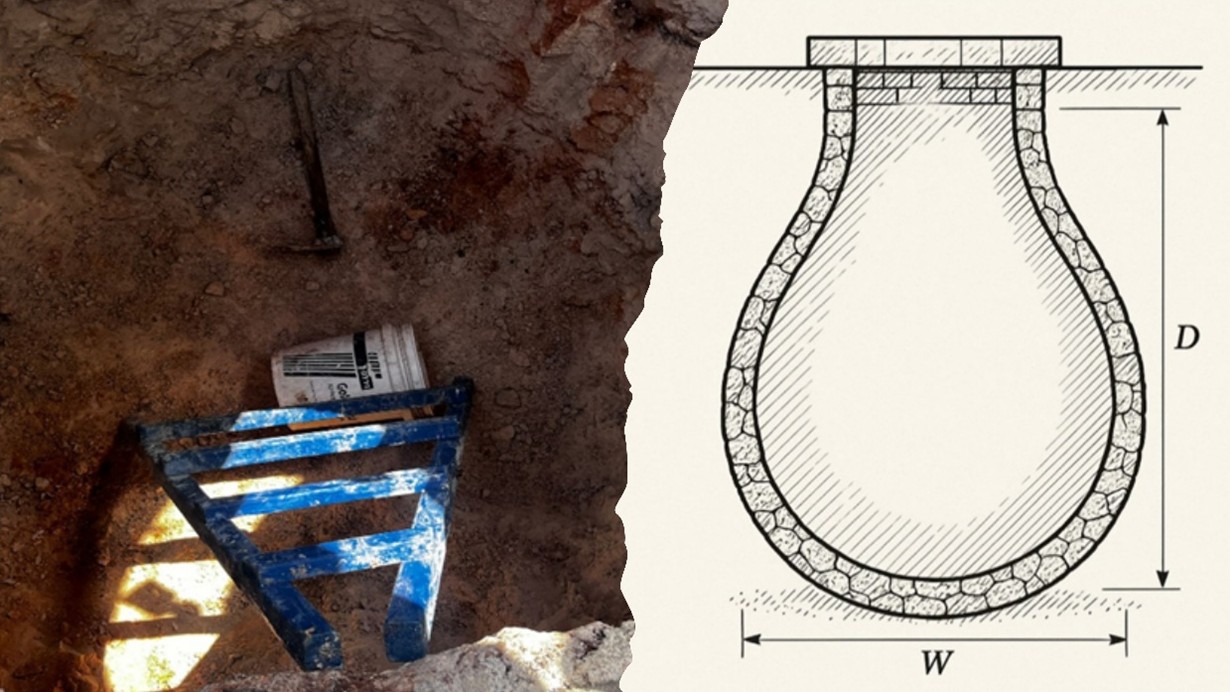
Interviews with residents and municipal staff reveal strong awareness of water scarcity and willingness to adopt RWH as a complementary source of supply, especially for irrigation, cleaning and gardening. Early pilot results demonstrate that plastic roofto p tanks and underground pear -shaped wells are technically feasible, socially accepted, and financially attractive. With an indicative investment of €200,000, Salfit could construct around 30 pear -shaped wells, 75 agricultural pools and 50 rooftop tanks, ge nerating an estimated 60,000 m ³ in annual water savings. The investment could be recovered within three to four years through reduced water purchases and lower pressure on groundwater.

Related services

Climate resilience and mitigation Research & innovation Stakeholder engagement and communication strategies Water cycle management Water safety & quality

Results

Household application.
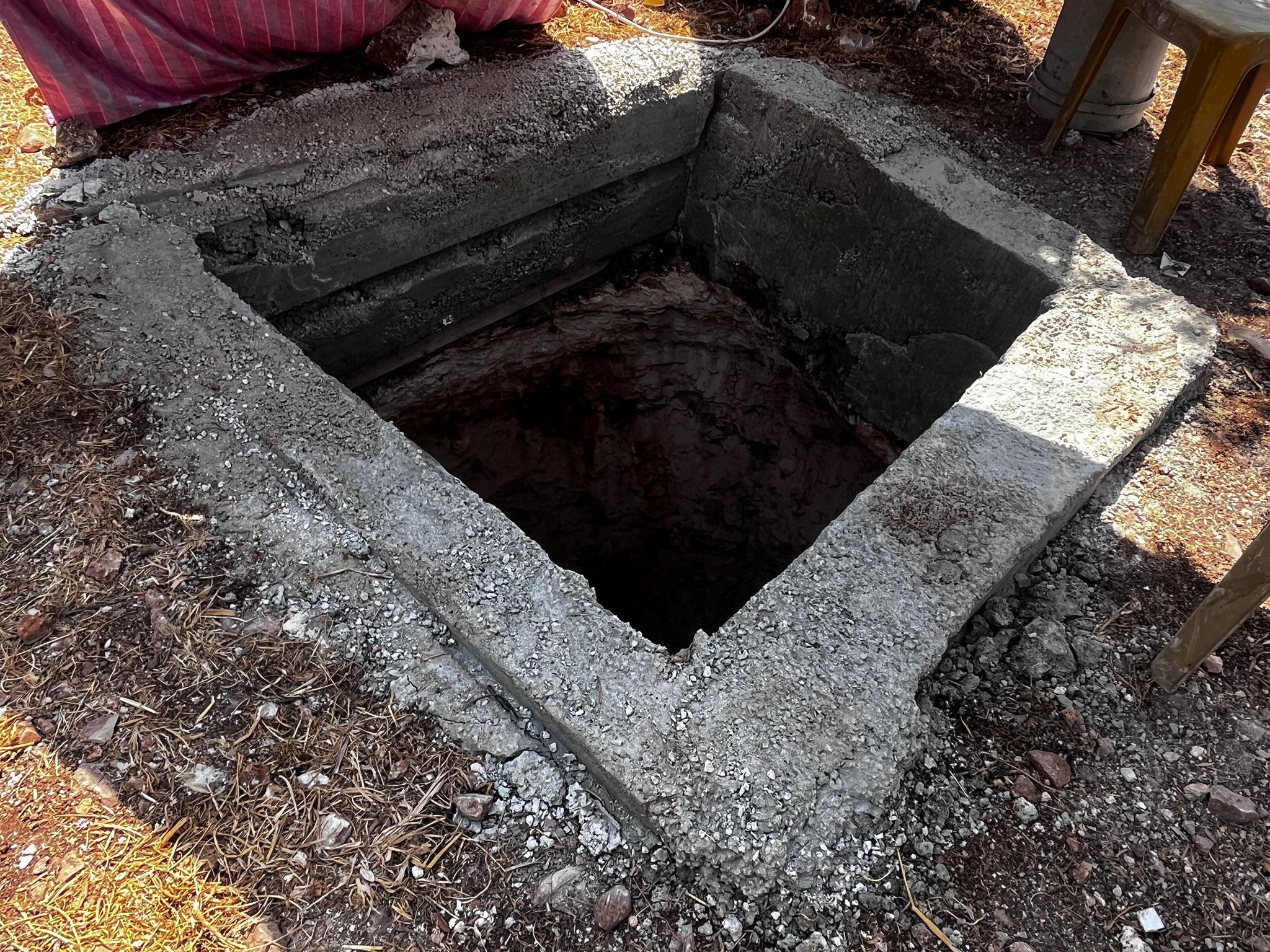
A 30 m ³ pear-shaped underground well was constructed for a woman managing livestock and crops. The system allows her to collect rainfall during winter and use the stored water to supplement her supply during summer. Early feedback indicates improved reliability o f water for her animals and small-scale agriculture.


Agricultural application.
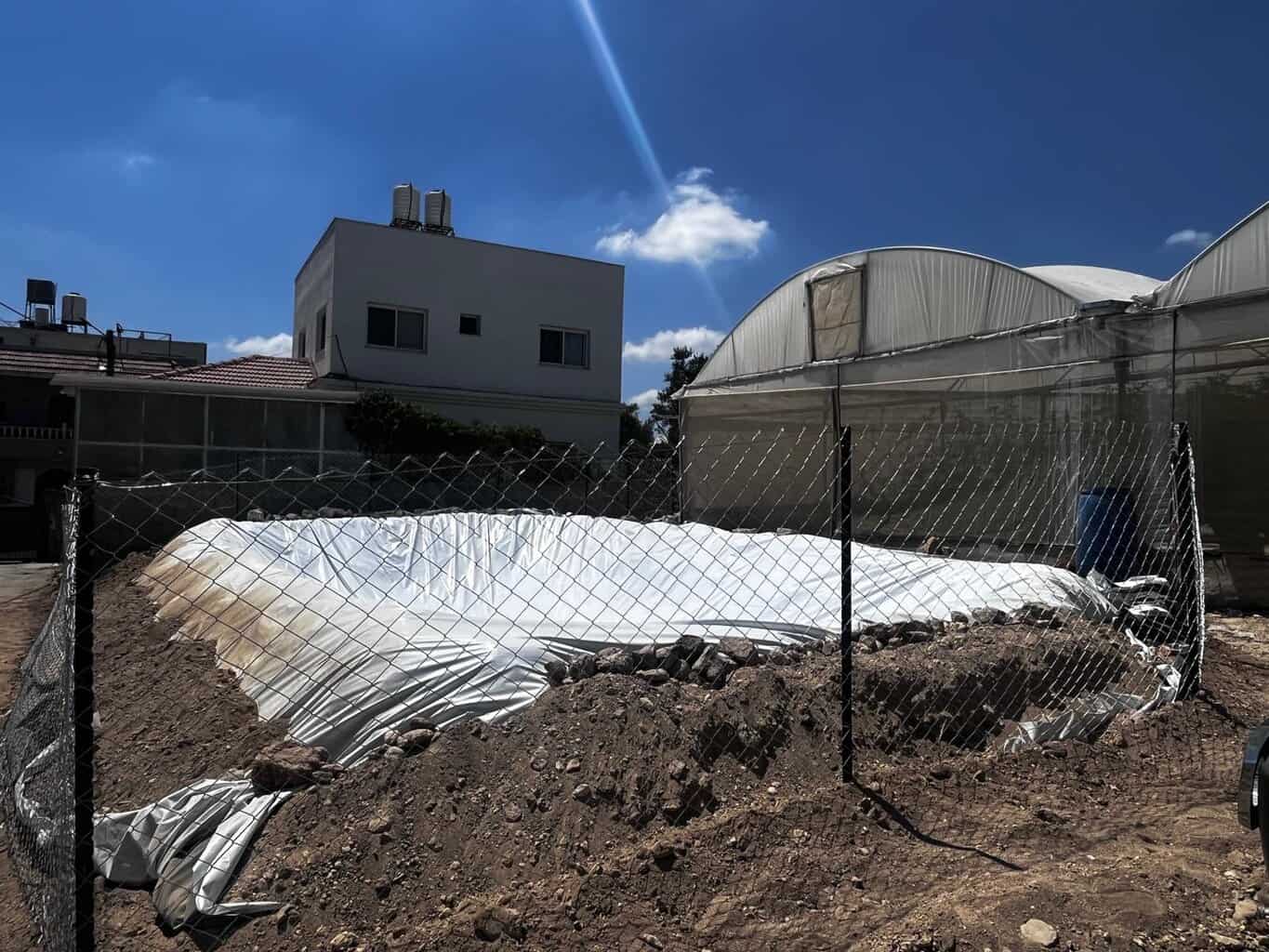
A 110 m³ agricultural pool was built for three farmers with greenhouses. The pool captures winter rainfall and reduces the need for freshwater irrigation during dry months. This helps buffer the farmers against both climatic variability and potential network inter ruptions.

Schools and education.
Rainwater harvesting systems are being installed in schools, with construction scheduled around the start of the school year. The systems are expected to lower institutional water consumption and serve as practical educational tools, allowing students to l earn about the water cycle, climate adaptation, and 
resource management through direct observation.

The performance of these systems is being monitored over time, including storage volumes, reliability, maintenance needs, and user satisfaction. The findings will inform design parameters for wider replication in Salfit and other municipalities.

Highlights

30 m³

Underground well installed

A pear-shaped underground well enables a household to store winter rainwater for livestock and small-scale farming during dry months.

110 m³

rainwater pool for greenhouse farmers

An agricultural pool captures rainfall to reduce freshwater irrigation needs and buffer farmers against dry periods and supply interruptions.

RWH

systems installed in schools

School installations lower water use and serve as hands-on tools to teach students about the water cycle, climate adaptation and water management.

Community

led uptake

Household interviews, farmer engagement and school campaigns ensured systems were accepted, maintained and used as a complement to tap water.

Partners

Salfit Municipality
Untitled Design (5)

Download our Rainwater Harvesting Whitepaper

Thanks for downloading!

Questions?

Please contact Loay Alatrash
Project manager MENA region
Loay

Related news

Read more about us!

Thanks for downloading!

News