Water sustains livelihoods and economies in Sub-Saharan Africa, yet climate change, population growth and increasing demand are placing severe pressure on shared water resources. The region is particularly vulnerable to erratic rainfall, droughts and floods.
In response, World Waternet is strengthening its regional activities in capacity building, rainfed irrigation, governance, Integrated Water Resources Management (IWRM), drinking water service delivery and data driven management. In support, the Burkina Faso office is becoming a regional hub that connects expertise and partnerships across borders to promote climate resilient water resources, improved drinking water services and stronger sanitation systems.
Water at the heart of livelihoods
In low-income countries, more than half of all jobs depend on water. In Sub-Saharan Africa, that figure rises to 62 percent. When rainfall declines, so does gross domestic product, which shows how vital water is to lives, work and growth. According to the World Bank, the region faces rising temperatures that increase one and a half times faster than the global average, erratic rainfall and growing water scarcity. These conditions increase the risk of conflict and poverty across the region.
Managing climate and water pressures
West Africa is one of the world’s most climate-vulnerable regions. Droughts and floods threaten communities and livelihoods, while groundwater is extracted faster than it is replenished. Water availability differs greatly between countries. Nigeria has abundant water resources, whereas Burkina Faso faces scarcity. More than 40 percent of Mali and Chad’s water supply, and 90 percent in Mauritania and Niger, comes from beyond their borders. This dependence on transboundary river systems highlights the need for stronger regional cooperation and integrated water resources management.
The region offers great potential for Nature based Solutions (NbS) and enhanced rainfed agriculture, but it requires adapted reservoirs and collection systems that reduce water loss through evapotranspiration.
Regional strategies and shared goals
Countries and organisations across the region are working together to improve the sustainable use of shared water resources and to build resilience to climate and water challenges.
- Expanding irrigation: The Dakar +10 Sahel Irrigation Strategy aims to increase irrigated land to strengthen food security and economic growth while reducing reliance on rainfed agriculture.
- Improving water governance: Regional and national policies aim to improve cross border cooperation and empower local communities to manage their water resources effectively.
- Enhancing data and knowledge: Improved data collection and analysis are needed to better understand groundwater potential, monitor climate risks and inform decision making.
- Boosting resilience and recovery: Regional programmes focus on preparing for climate shocks and helping communities recover by addressing the underlying risks that hinder sustainable development.
- Addressing climate driven conflict: By improving natural resource management, regional strategies seek to reduce tensions over land and water that are worsened by climate change.
World Waternet’s growing regional role
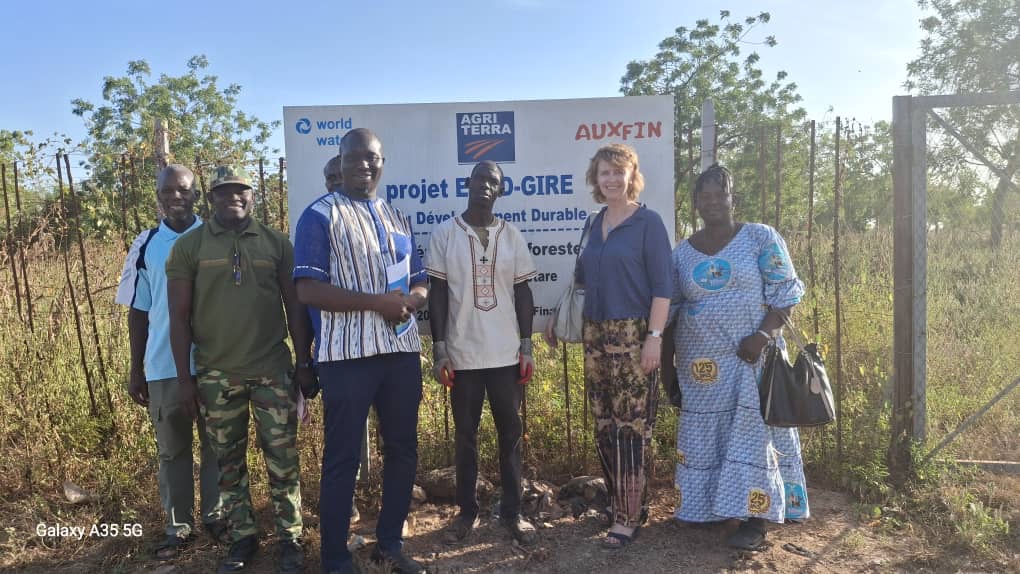
Building on profound needs and regional momentum, World Waternet is entering a new phase of growth and collaboration in West Africa. Based on its strong partnerships in Burkina Faso, the organisation’s office in Ouagadougou is evolving into a regional hub. This hub will coordinate and expand World Waternet’s activities and partnerships across the subregion.
This development reflects World Waternet’s ambition to strengthen cooperation between countries and shared water cycles. It promotes shared learning and supports Integrated Water Resources Management, drinking water service delivery and Nature Based Solutions on a regional scale. World Waternet currently has active projects in Mali, Burkina Faso and Ghana, with new initiatives under development in Guinea and Benin.
Strengthening regional collaboration starts with Young experts
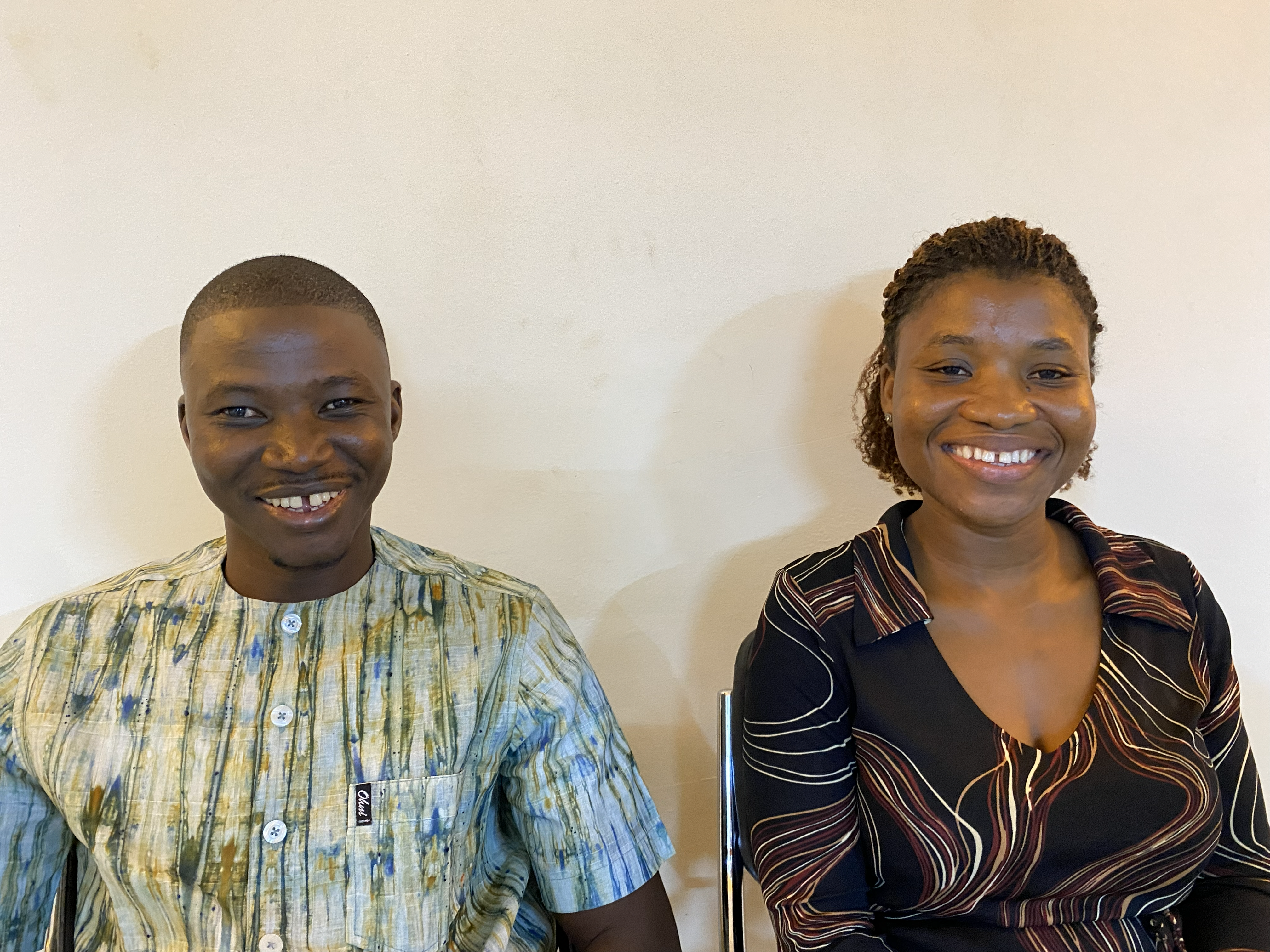
As part of the regional effort, World Waternet welcomed two young Blue Deal water experts, YEP Judith Amli from Blue Deal Ghana and Paul Terry from Blue Deal Burkina Faso, to its Ouagadougou office. The Blue Deal programme focuses on improving water governance and sustainability through international collaboration. Our partnerships demonstrate how young experts can be empowered into management positions in collaboration with our WOP partners. These two young experts illustrate the growing synergy between World Waternet teams in the region and their shared commitment to strengthening professional exchange and cooperation across borders.
Engaging with the sanitstion sector through SITAHO
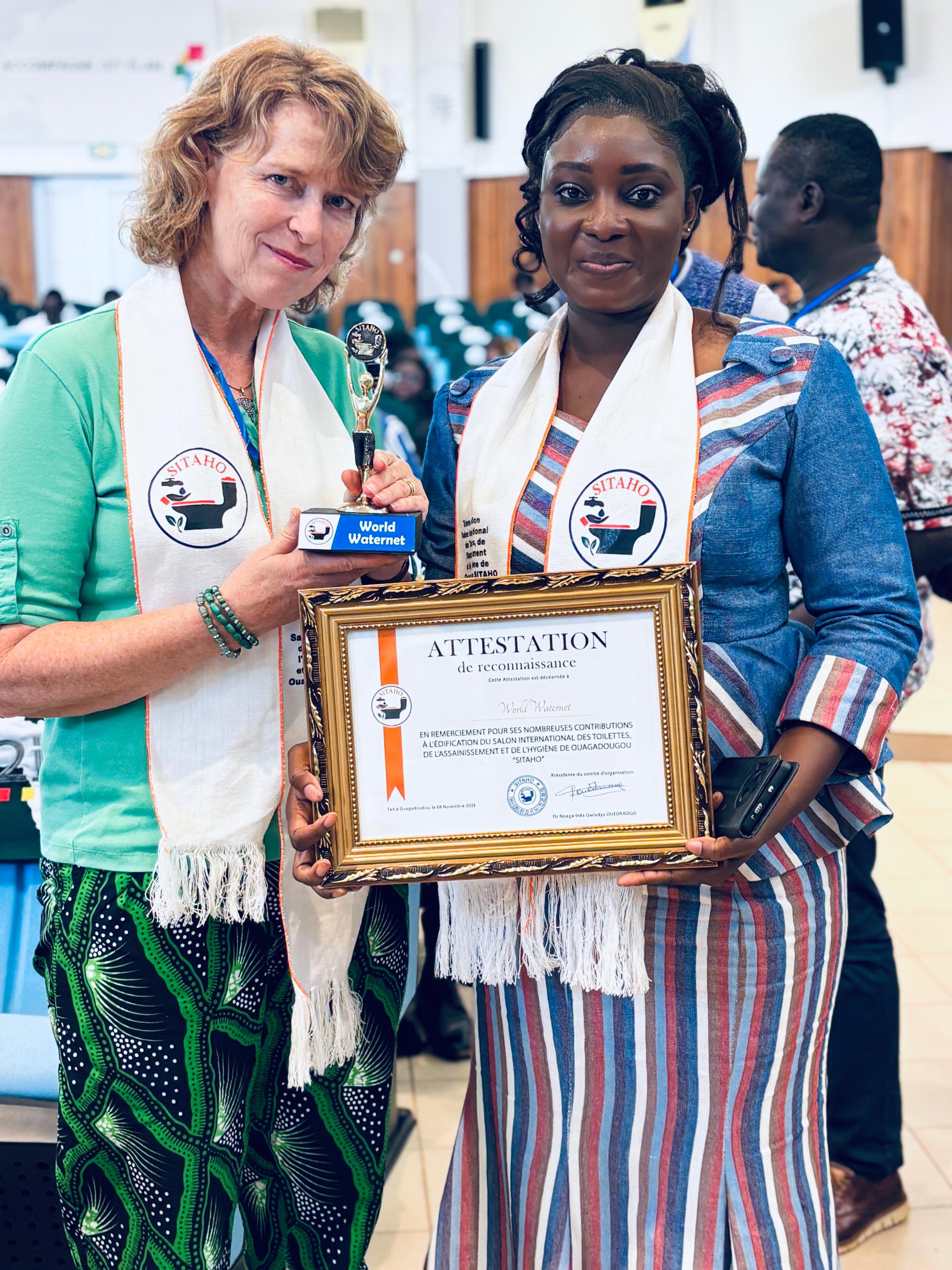
World Waternet also took an active role in SITAHO, the Salon International des Toilettes, de l’Assainissement et de l’Hygiène de Ouagadougou, a leading regional event that promotes innovation and investment in sanitation and hygiene. Both the West Africa Partnership Director, Janette Worm, and the Project Coordinator, Cyrille Kafando of World Waternet Burkina Faso, were present, reaffirming the organisation’s engagement in the sector.
The panel discussions identified reforms needed to move from 28% to 60% basic sanitation access by 2030 and highlighted need for institutional restructuring, performance-based governance, and innovative financing models. Furthermore, a national WASH resilience fund was proposed and expanded use of nature-based solutions. The Regional roadmaps focusing on infrastructure, financing, and governance.
The Ministry of Environment, Water and Sanitation (MEEA) committed to integrate the recommendations into national policy, including Regional roadmaps (2026-2030) development focusing on infrastructure, financing, and governance with harmonized performance indicator framework (KPIs) for IWRM and WASH actors.
Enfani Sabi, Cheick Zoure, and Kevin Dipama, members of the local World Waternet team, served on SITAHO’s organising committee, demonstrating their leadership and dedication to advancing sustainable and inclusive sanitation. During the event, World Waternet received an award recognising its ongoing support to SITAHO and its contribution to promoting innovative, inclusive, and gender-sensitive water and sanitation solutions in Burkina Faso.
Launching the African Water Center
In the spirit of fostering regional cooperation in West Africa, a Memorandum of Understanding between the World Bank Group, the Government of Burkina Faso and the International Institute for Water and Environmental Engineering, 2iE, was signed to establish the Africa Water Center. Hosted at 2iE in Ouagadougou, the centre will serve as a regional hub for innovation, partnership, knowledge exchange and capacity building in the water sector.
Building a regional hub for shared water resilience
One thing seems to be clear: Burkina Faso is taking greater ownership of long term development and collaboration. The recognition at SITAHO and growing regional collaboration reaffirm World Waternet’s ambition to transform the Burkina Faso office into a true regional hub, where expertise, innovation and positive change can advance water and sanitation management across West Africa.