A basin supporting essential services and livelihoods
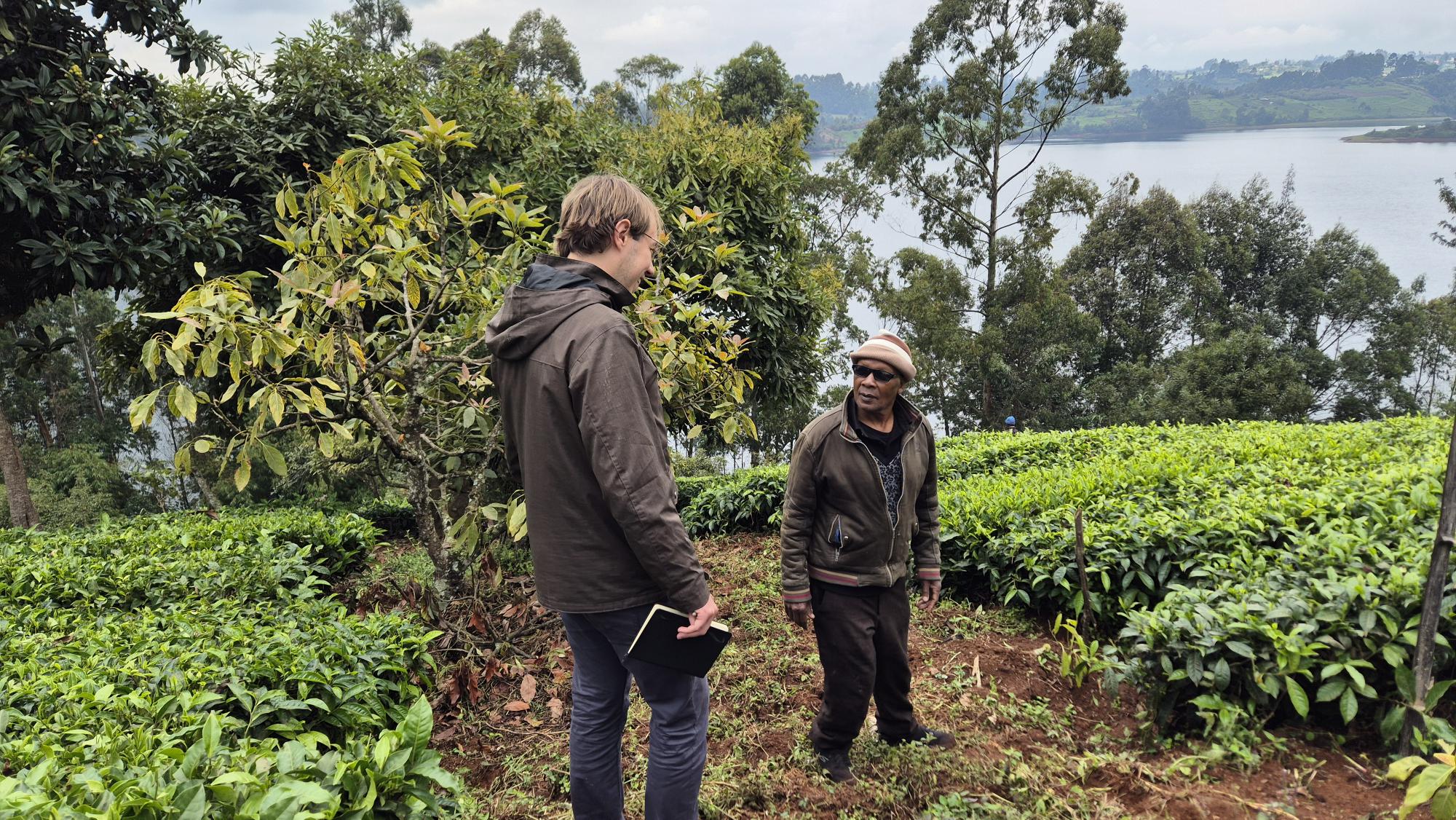
The Thika basin supports a wide range of water users delivering essential services and livelihoods. Public water utilities play a central role, including Nairobi City Water and Sewerage Company (NCWSC), which sources around 95% of Nairobi’s drinking water from the basin, as well as Thika Water and Sewerage Company (THIWASCO) and other local providers. The basin also underpins large-scale agriculture, smallholder tea and coffee farming, hydropower generation by KenGen and a number of industrial activities.
These users depend on water in different ways. Some abstract water directly for irrigation or drinking water treatment, while others rely on water quality for production processes. Hydropower generation depends on reliable flows rather than consumption. While these differences limit direct comparison, taken together they show how the basin underpins a significant share of economic activity and service delivery in Kenya.
From local catchment to global markets
The implications of water management in the Thika basin extend well beyond its boundaries. Nairobi’s population, already exceeding five million and projected to double by the middle of the century, relies heavily on this water source. Climate change is adding further pressure by increasing uncertainty around rainfall and drought conditions.
The river basin is also embedded in global value chains. More than one third of the revenue linked to water from the Thika basin comes from exports, particularly to Europe and the UK. Agricultural products grown or processed using basin water supply international markets, with a smaller but notable share linked to the Netherlands, mainly through the flower sector.
One lens within a broader cooperation agenda
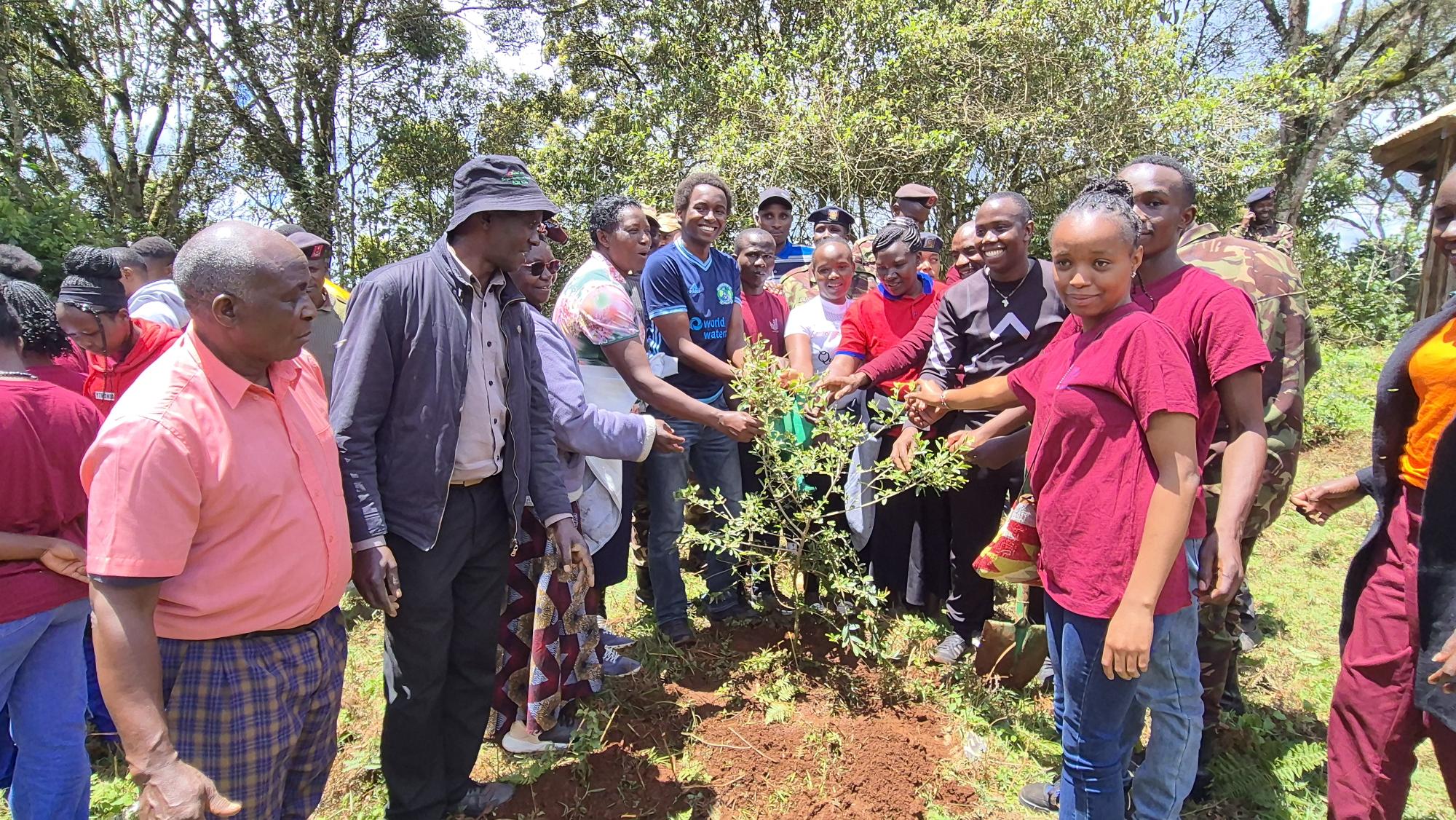
This valuation captures only direct, quantifiable economic value associated with water use. It does not reflect ecosystem services, biodiversity, cultural values or the long-term resilience built through community-based initiatives such as the Njururi Initiative. Indirect benefits, including improved governance, reduced conflict risks and increased investment confidence, also fall outside its scope.
For World Waternet and its partners, this limitation is deliberate. Economic valuation is one input among many. It supports dialogue with utilities, financiers and policymakers, but does not stand alone. The added value of basin-level cooperation lies in bringing together public utilities, communities and other stakeholders around a shared water system over the long term.
As global debates increasingly recognise water as a common good underpinning economic systems, the Thika River basin offers a concrete, locally grounded example of how water management, economic value and cooperative stewardship are already closely connected.