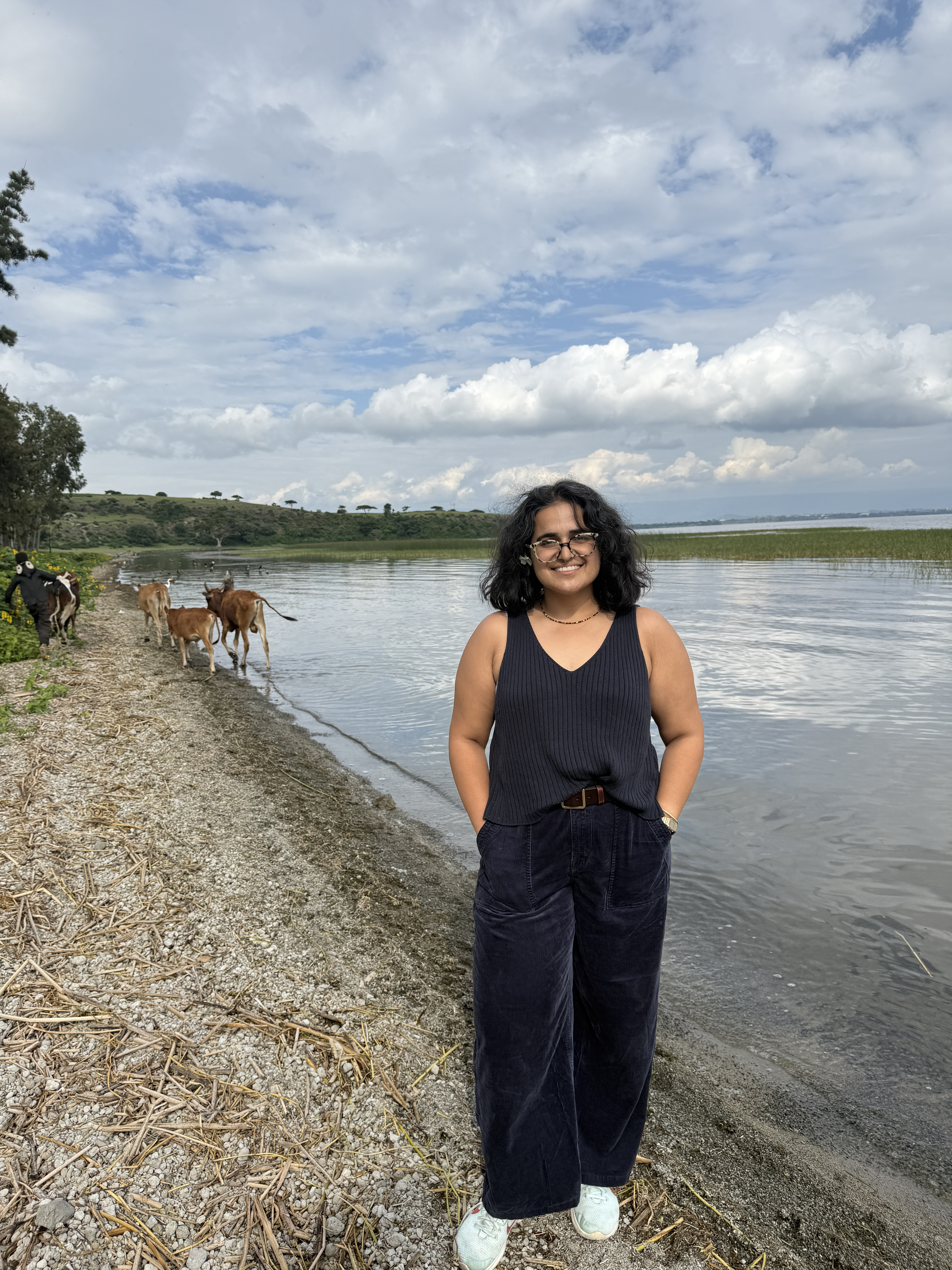
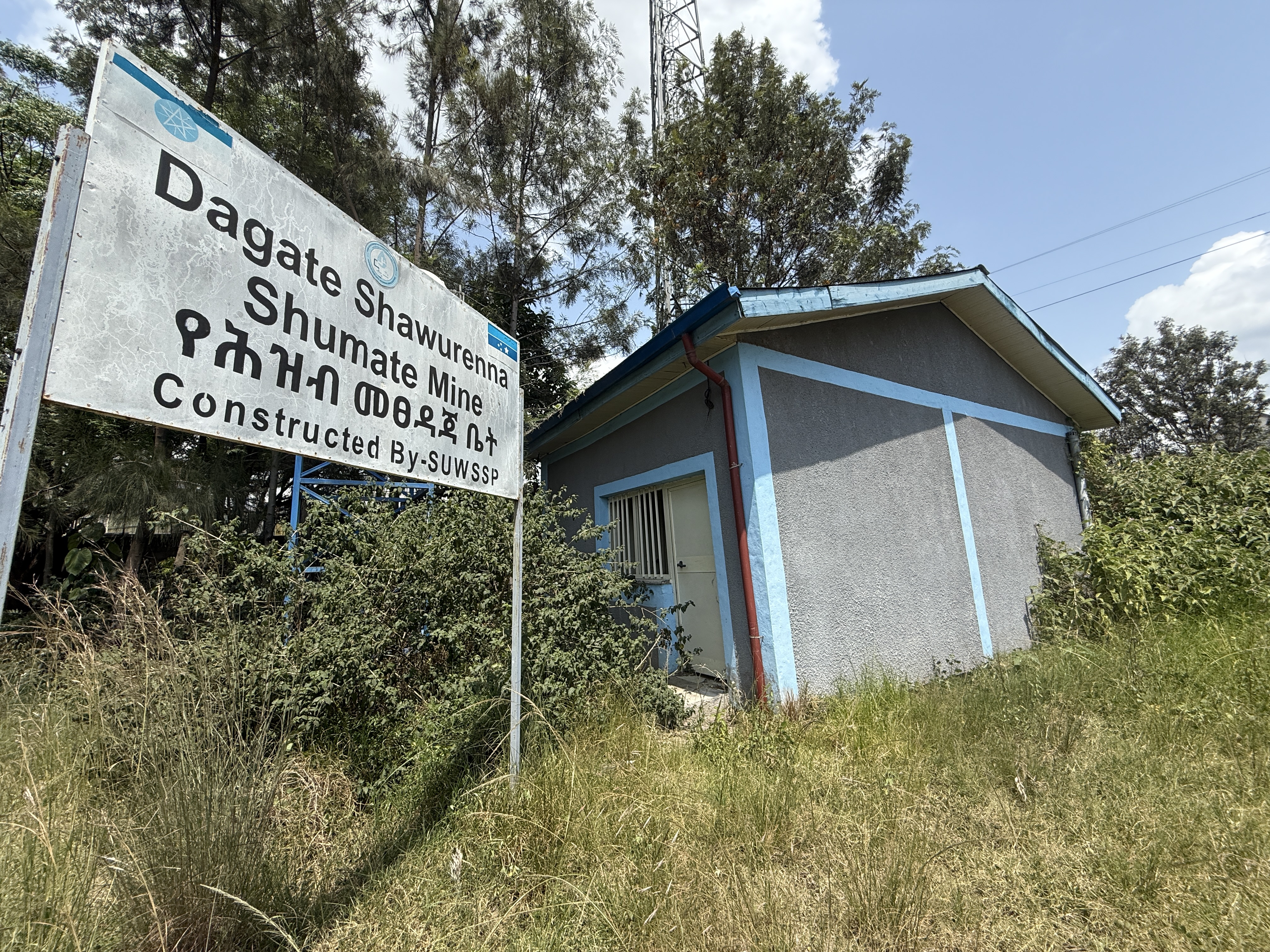
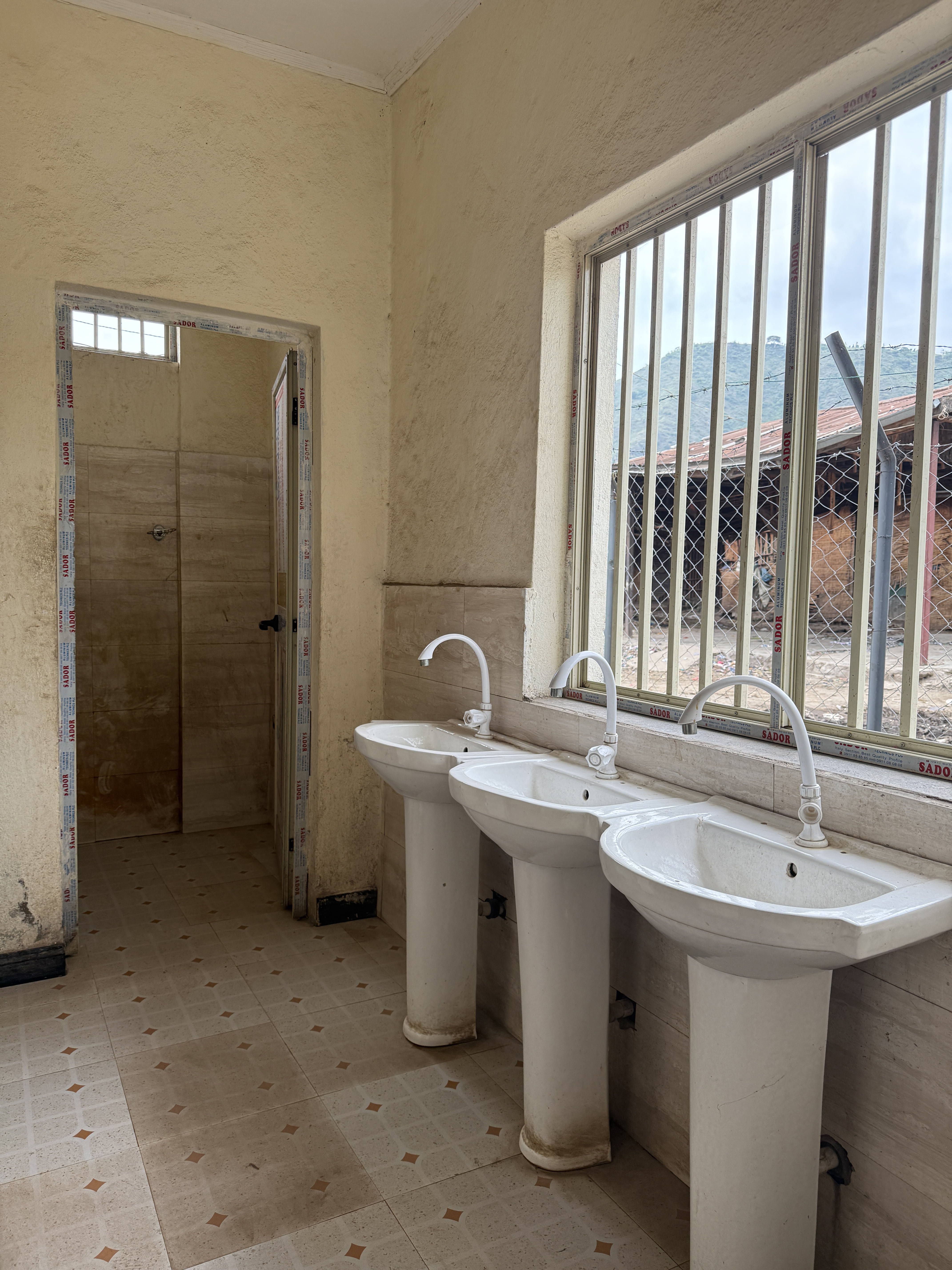
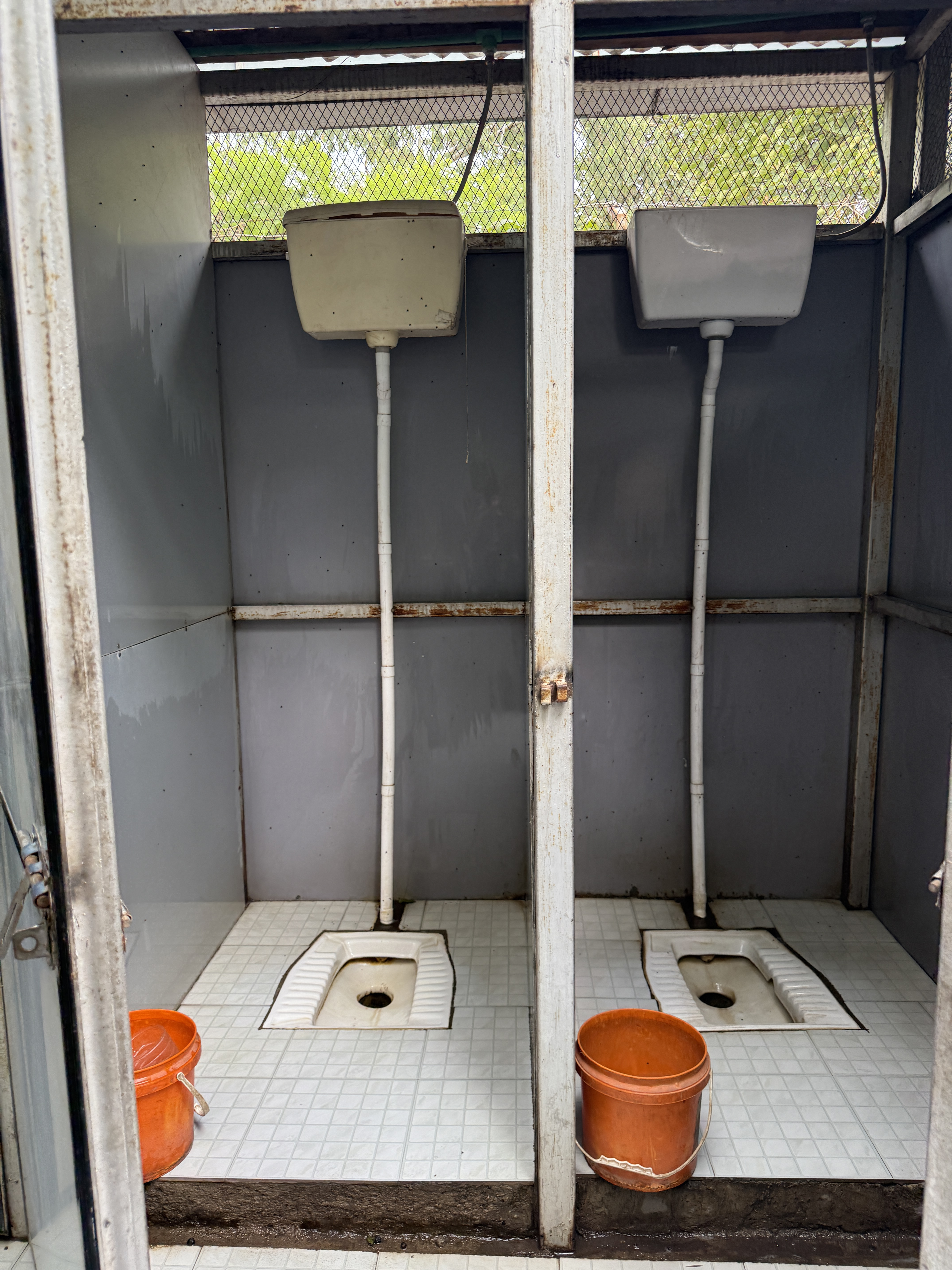
Are Hawassa’s newly built public and community toilets meeting the city residents’ needs? This question brought Apoorva Dhingra, a graduate student at the Yale School of the Environment, to this fast-growing city in the summer of 2025. In collaboration with World Waternet, she investigated the functioning of public and community toilets built as part of the Second Ethiopia Urban Water Supply and Sanitation Project (SWUSSP), supported by the World Bank and linked to the Blue Deal program.
Having researched the job-generation potential of India’s water missions and schemes, Apoorva knew water infrastructure is not just for the benefit of the users but helps an entire workforce achieve livelihood security. It is with this lens that she approached her research of SWUSSP’s public and community toilets. Her emphasis on user and the worker engendered the following findings:
1. the toilet-user interface is compromised;
2. public health-sanitation connection is fractured;
3. and community toilets require targeted support.
Findings and proposed solutions
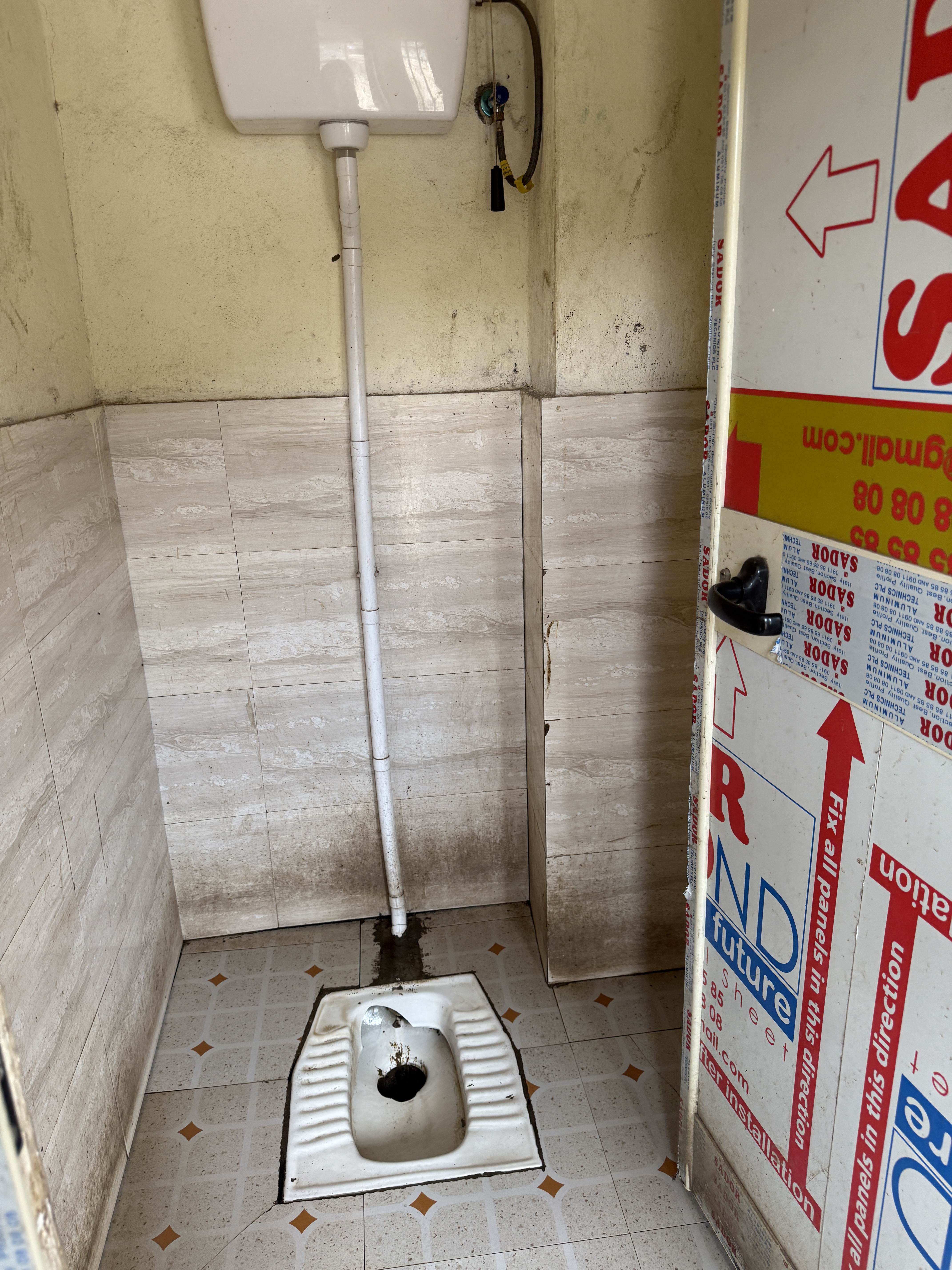
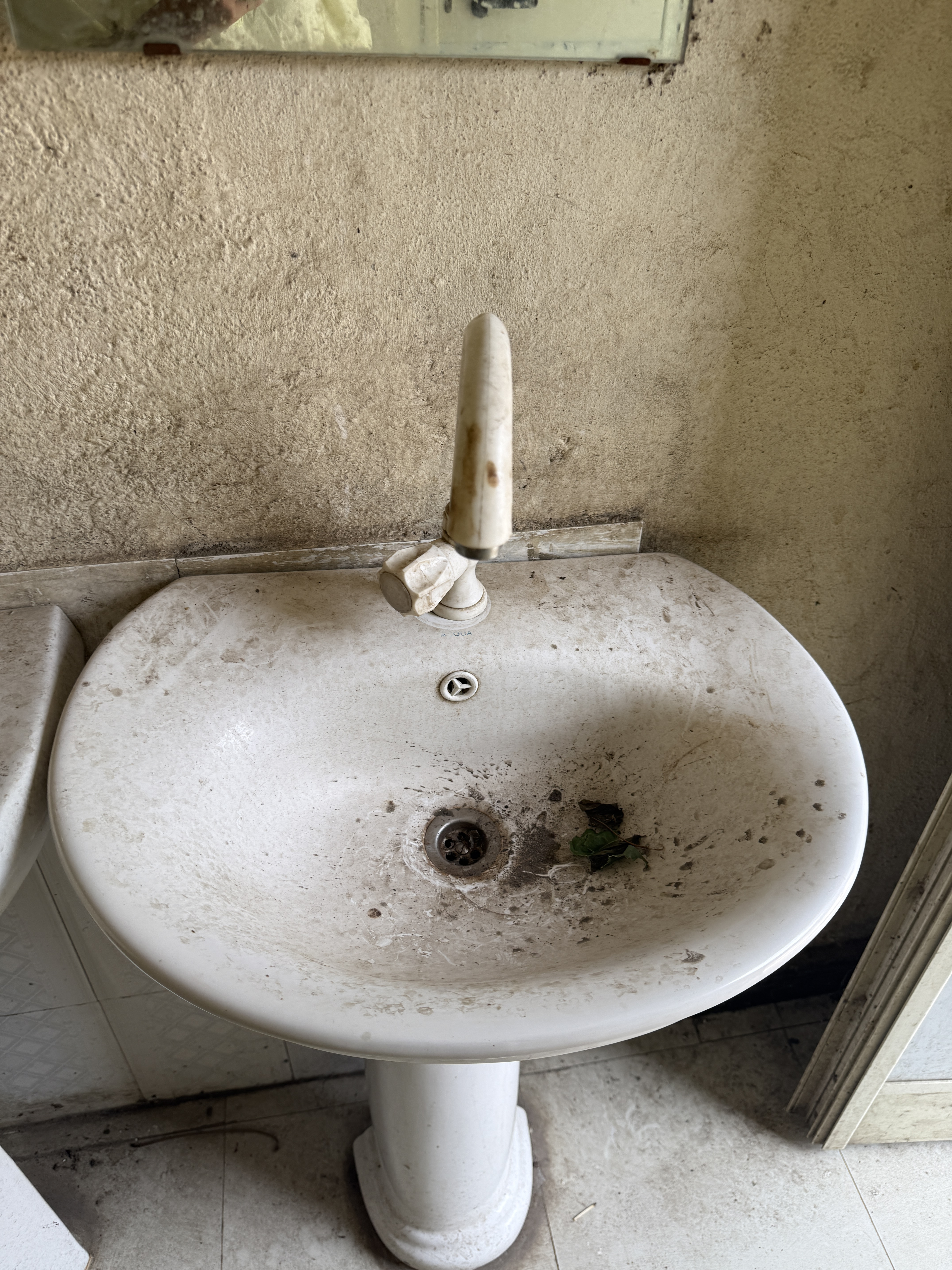
In Hawassa, Apoorva interviewed 49 individuals and observed 11+5 toilets to discover that crucial components of the toilets such as faucets and pipes are broken, regular water supply is interrupted due to unpaid utility bills, electricity connections are unreliable, water pressure is too low to fill overhead tanks, and cleaning products are unaffordable. This constituted her finding that the toilet-user interface is compromised; or in simpler words, the user is not receiving an adequately functioning toilet. But Apoorva reminds people that “compromise in infrastructure is not a result of the worker’s neglect but financial and governance barriers.”
In her research, she also explored how people understand the link between disease and hygiene. Of the 65 users she observed at the toilets, only 3 washed their hands with soap, which is about 5 percent. Among the 49 respondents she interviewed, 71 percent (35 people) reported diarrheal disease in their family in the past month, while only 33 percent (16 people) linked these cases to unsanitary toilet conditions. This combination of low soap use and high rates of illness shows that many urban residents do not recognise the health risks of poor hygiene.
She also observed the need to decouple the management of public and community toilets. Public toilets, located in public spaces, have a higher chance of becoming financially self-sufficient because of higher footfall and consequent benefit of integrating micro businesses such as coffee shops, laundry services, and water vending. Community toilets, on the other hand, are limited to a certain number of households and situated within a housing compound. This means that their financially self-sufficiency is solely predicated on communal management of the toilet which can be difficult if social cohesion does not exist.
From research to action
Apoorva is a big believer of action-oriented research and says she has been “itching to use [her] freshly learned skills and knowledge to affect change.” World Waternet, with its aim of restoring water cycles worldwide, has allocated a sum of five thousand euros for targeted improvement measures, in consultation with local partners. Whether it's repairing minor infrastructure, improving access to soap and other cleaning agents, or setting up an awareness program, we are taking the next step together. Apoorva's findings from this research are available as a policy brief and will soon be published in a peer-reviewed journal. Her research was made possible with funding from the Yale School of the Environment and Delta Safe.