World Waternet, SNV, Agriterra and Auxfin International have developed a new digital tool to support communities in Burkina Faso in managing water resources and strengthening climate resilience.
Burkina Faso faces growing pressure on its water resources due to climate change, land degradation and rapid population growth. To support communities in addressing these challenges, World Waternet and partners SNV, Agriterra and Auxfin International have introduced the WaterCoach, a digital capacity-building application designed to strengthen Integrated Water Resources Management (IWRM) and water, sanitation and hygiene (WASH) practices at community level.
The initiative supports local water users with practical knowledge and tools to implement solutions that improve water retention, protect soils and strengthen resilience in the Sahel region.
Introducing the WaterCoach
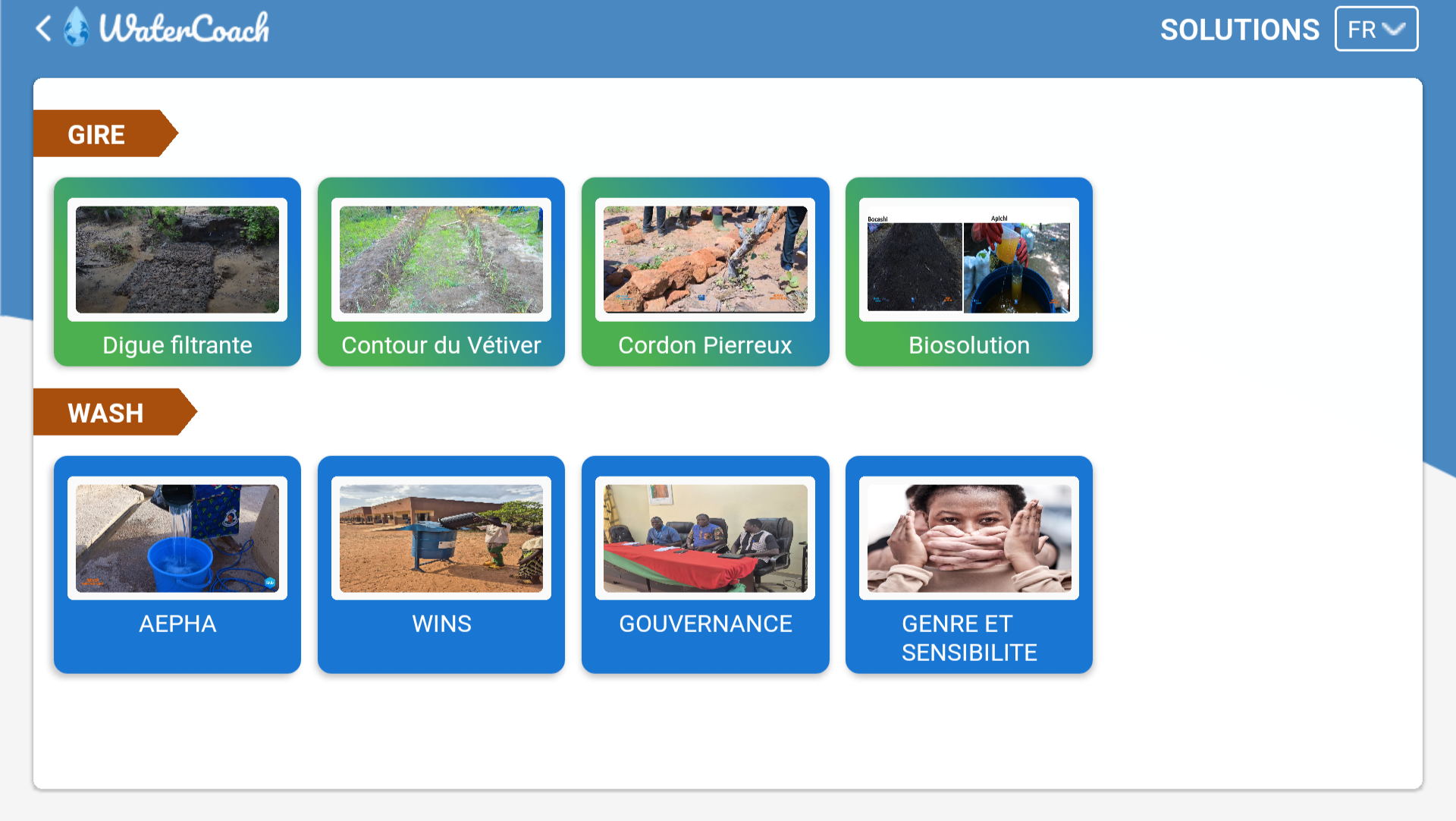
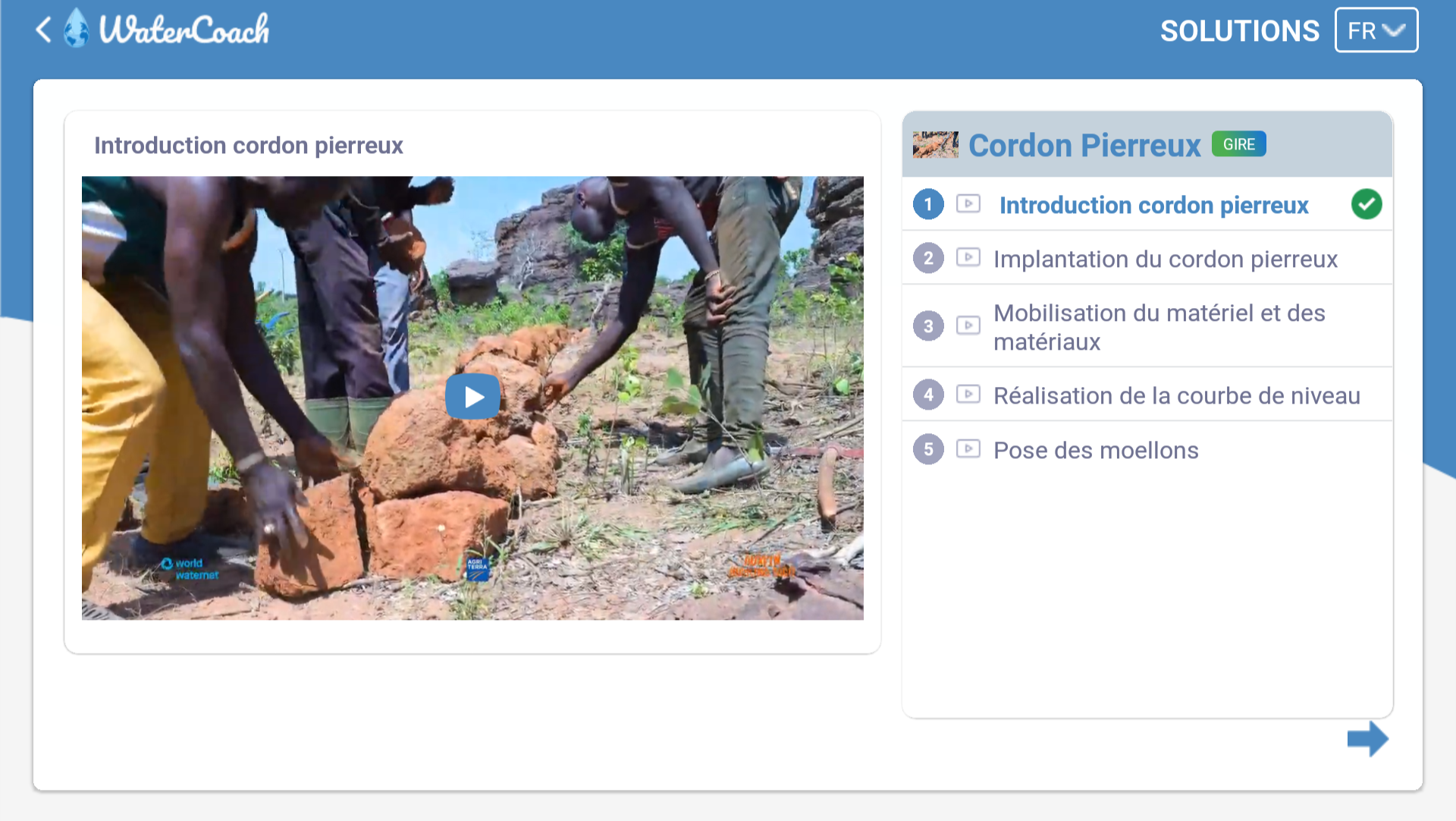
The WaterCoach guides communities through a simple process to identify local water challenges and implement practical solutions. Users begin with an assessment of conditions at village or catchment level, which helps prioritise issues such as soil erosion, water pollution, sanitation and community mobilisation. Based on these insights, the application provides step-by-step guidance on measures including infiltration dikes, stony ridges, grassy contours, biofertilisers and water hygiene practices. It also connects communities with technical and financial service providers that can support implementation.
To support this learning process, the first version of the WaterCoach already includes 36 videos on Integrated Water Resources Management and 28 videos on WASH, all available in local languages to ensure accessibility for rural communities.
The G50 Approach: embedding IWRM in a community ecosystem
To ensure that knowledge leads to action, the WaterCoach is integrated into the G50 community model.
A G50 consists of up to 50 households that share a tablet containing the WaterCoach application. Each group elects its own leadership with attention to gender and age balance. Field agents provide regular support and help strengthen group governance.
After registration, groups conduct a resource mapping exercise to identify local challenges and opportunities. Members then prioritise actions and use available services and financial tools to implement their plans.
This approach combines digital learning, community decision-making and access to rural financial services through the UMVA platform. It strengthens local ownership and encourages participation in water management and community leadership.
Practical solutions for water retention and land restoration
Why these implementations make a difference
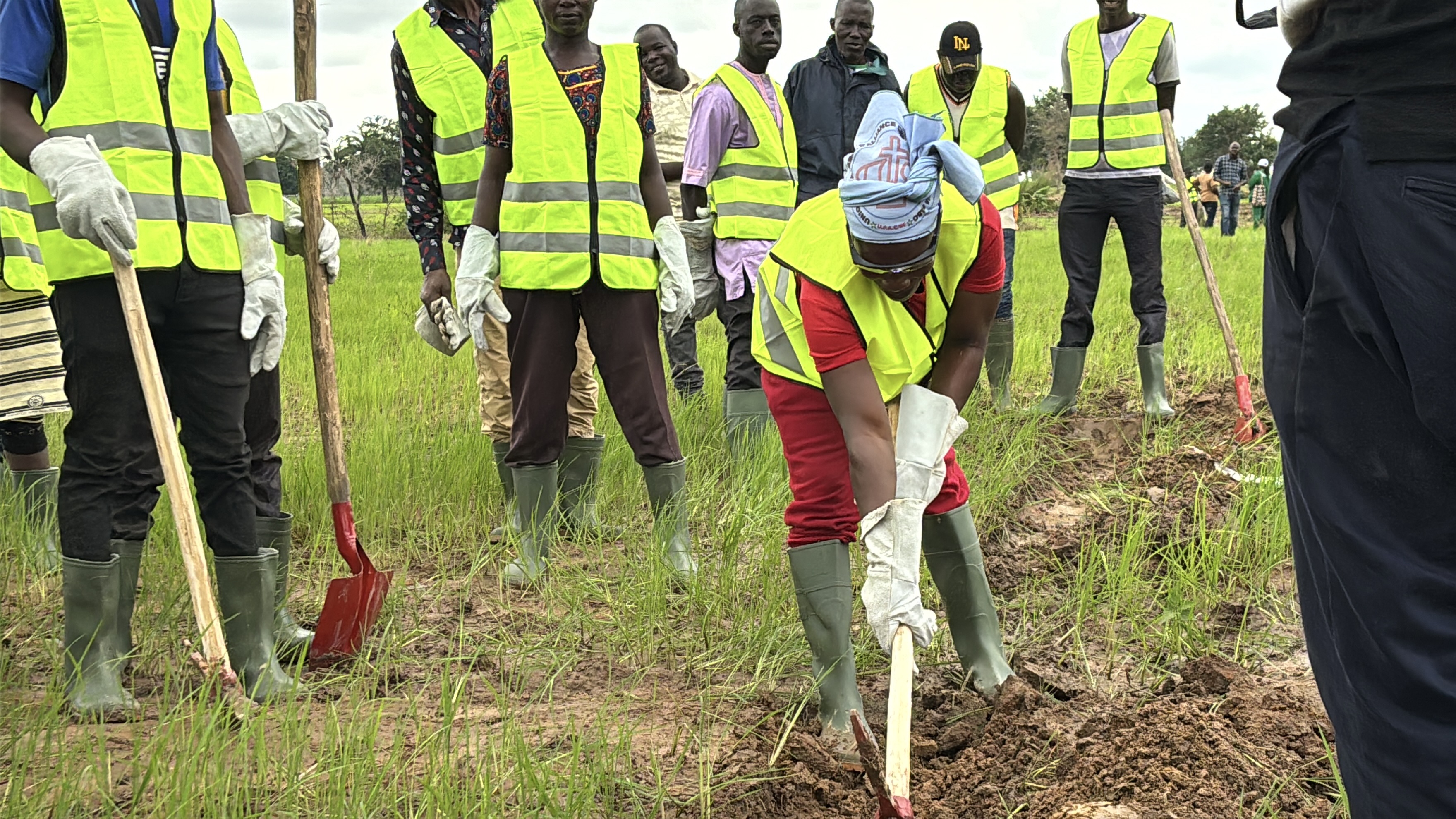
World Waternet’s activities in Burkina Faso focus on implementing Integrated Water Resources Management solutions to reduce and prevent desertification in the Sahel. By documenting and empowering communities to implement these solutions, we strengthen water retention, reduce land degradation and improve resilience at watershed scale.
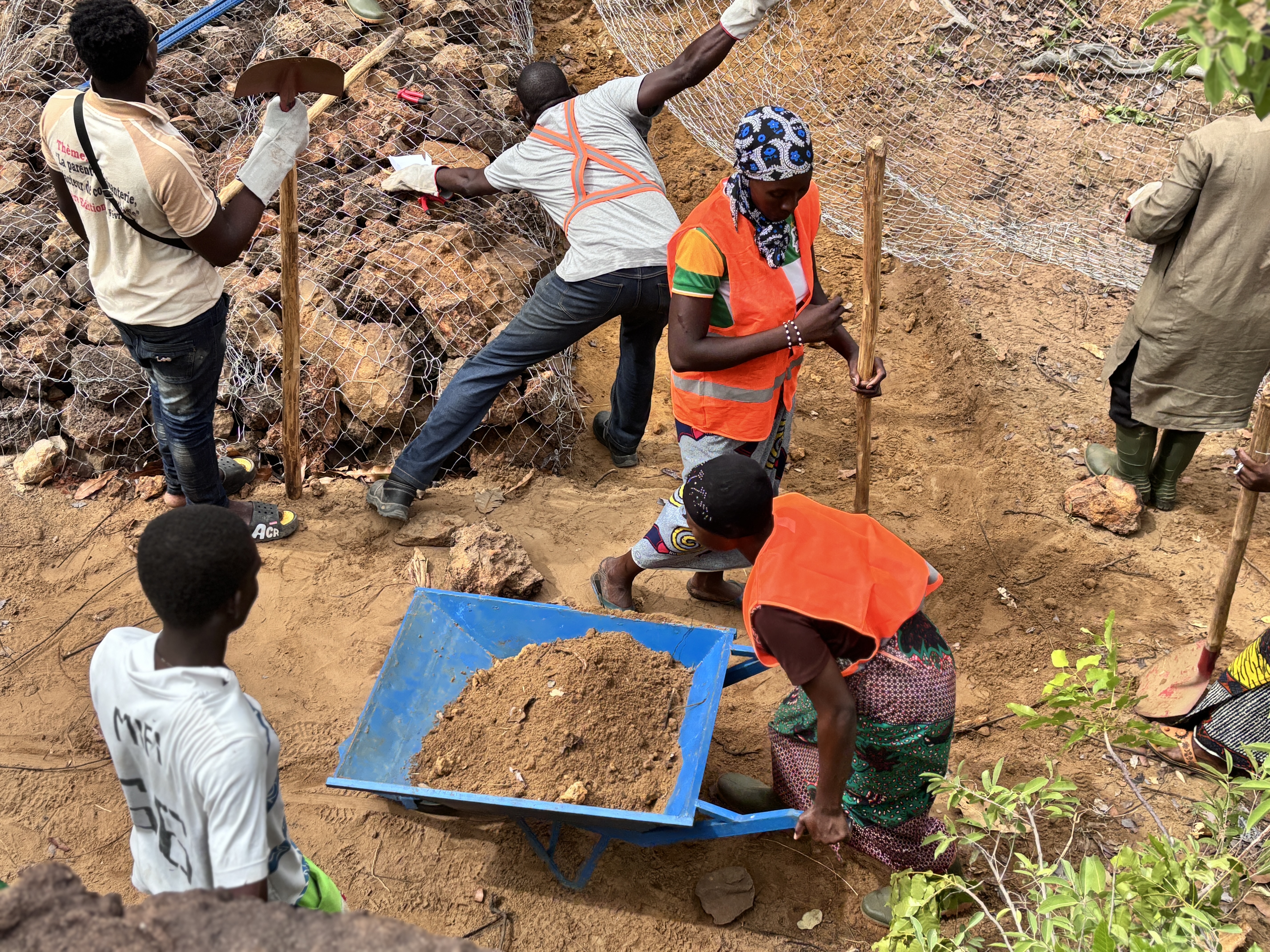
- Infiltration dikes – slow surface runoff and increase groundwater recharge by capturing rainwater that would otherwise be lost.
- Stony ridges (stone bunds) – reduce soil erosion and retain sediment, improving soil moisture and restoring degraded farmland.
- Grassy contours – stabilise slopes, reduce erosion rates and enhance infiltration across agricultural plots.
- Biofertilisers – improve soil structure and water-holding capacity, strengthening crop resilience during dry period
Together, these measures operationalise the 3R principles of recharge, retention and reuse, translating IWRM from policy into measurable local impact.
Scaling implementation
By the end of 2026, the WaterCoach aims to reach more than 120 community groups, representing nearly 6,000 households. The initiative is expected to contribute to improved water use practices, strengthened climate resilience and increased adoption of digital tools in water management.
Beyond direct beneficiaries, the model seeks to strengthen social cohesion within communities and promote inclusive participation in water governance. Based on results and lessons learned, the initiative may be expanded with additional donor support, including from European partners.
Towards an Integrated Digital Ecosystem
The WaterCoach forms part of a broader ecosystem of digital tools, alongside planned eCoaches focused on finance, health and nutrition. Service models, licences and commissions are intended to support long-term sustainability.
The next phase will focus on further operationalising water-related services within this ecosystem and strengthening institutional integration. By linking watershed principles, digital capacity building and community governance, the WaterCoach aims to contribute to a more resilient and inclusive water management system in Burkina Faso.
FInd out more on Auxfin's website!