Early October, the Blue Deal team concluded a week-long mission in Kenya with partners Water Resource Authority (WRA) in the implementation of Blue Deal activities to strengthen river health and water governance in the Thika catchment. The visit focused on practical solutions for clean water, fair distribution and climate resilience.
Smarter water planning
Water Reseouce Authority staff received follow-up hands-on training on the WEAP model. WEAP, or Water Evaluation and Planning system, is a tool for simulating water systems and analysing supply, demand and policy impacts. They learned how to use climate change scenarios and water demand data to plan for the future.
Applying WEAP models with Water Resources Users Associations (WRUAs)
A Water Resources Users Association (WRUA) is a community-led group that manages and protects shared water sources, and in Kenya we have been working closely with WRUAs to improve river health and support sustainable water governance.
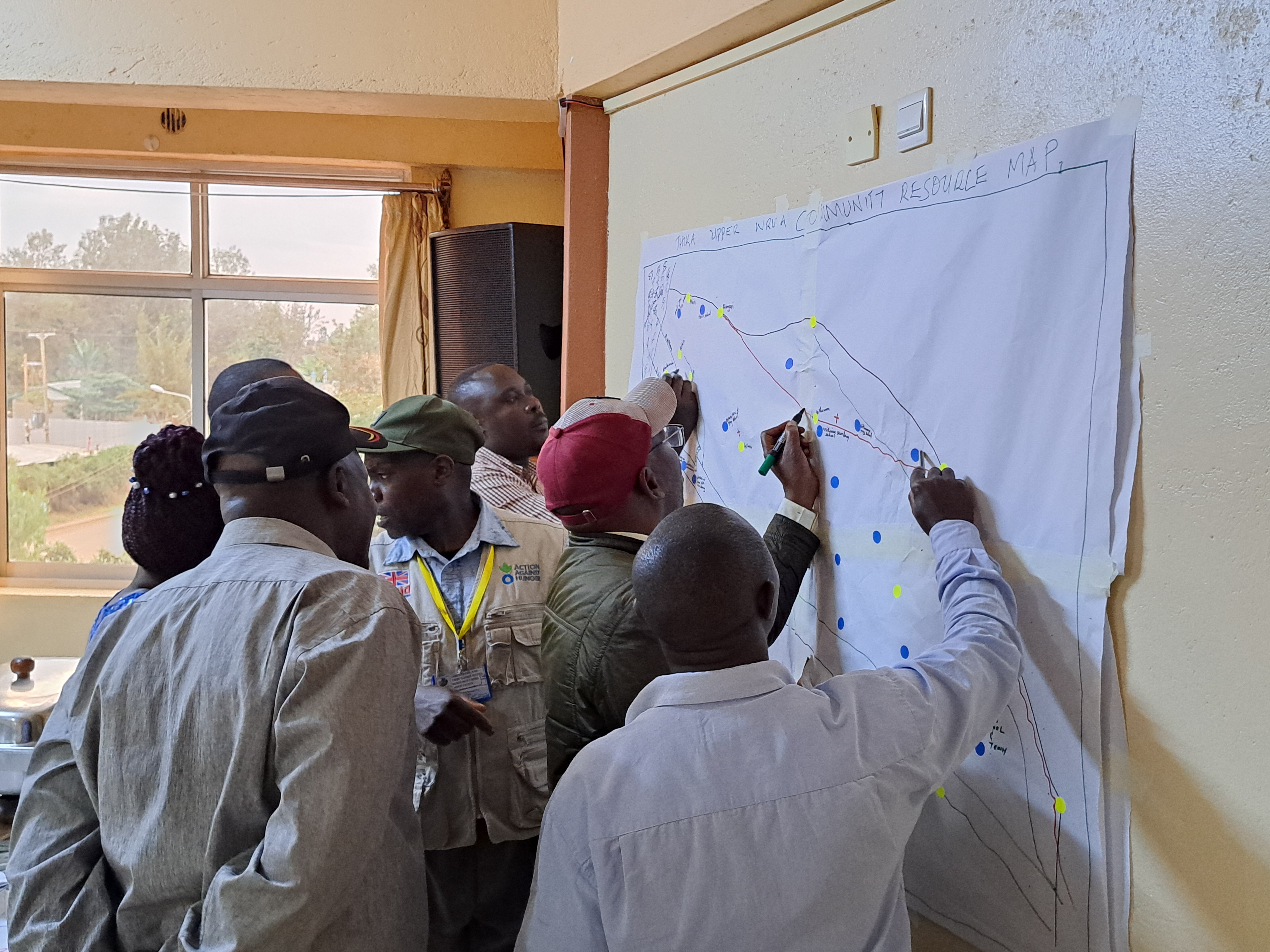
Building on this collaboration, the Thika Catchment WEAP model was used to inform the water balance during the Thika Upper WRUA Sub-Catchment Management Plan (SCMP) review. One WRUA member found the climate change scenarios especially insightful, noting: “With the climate change scenario we have to do better water management for the sake of downstream users.” This growing knowledge base helps the WRA make informed decisions about water allocation and prepare for droughts and floods.
Citizen Science for river health
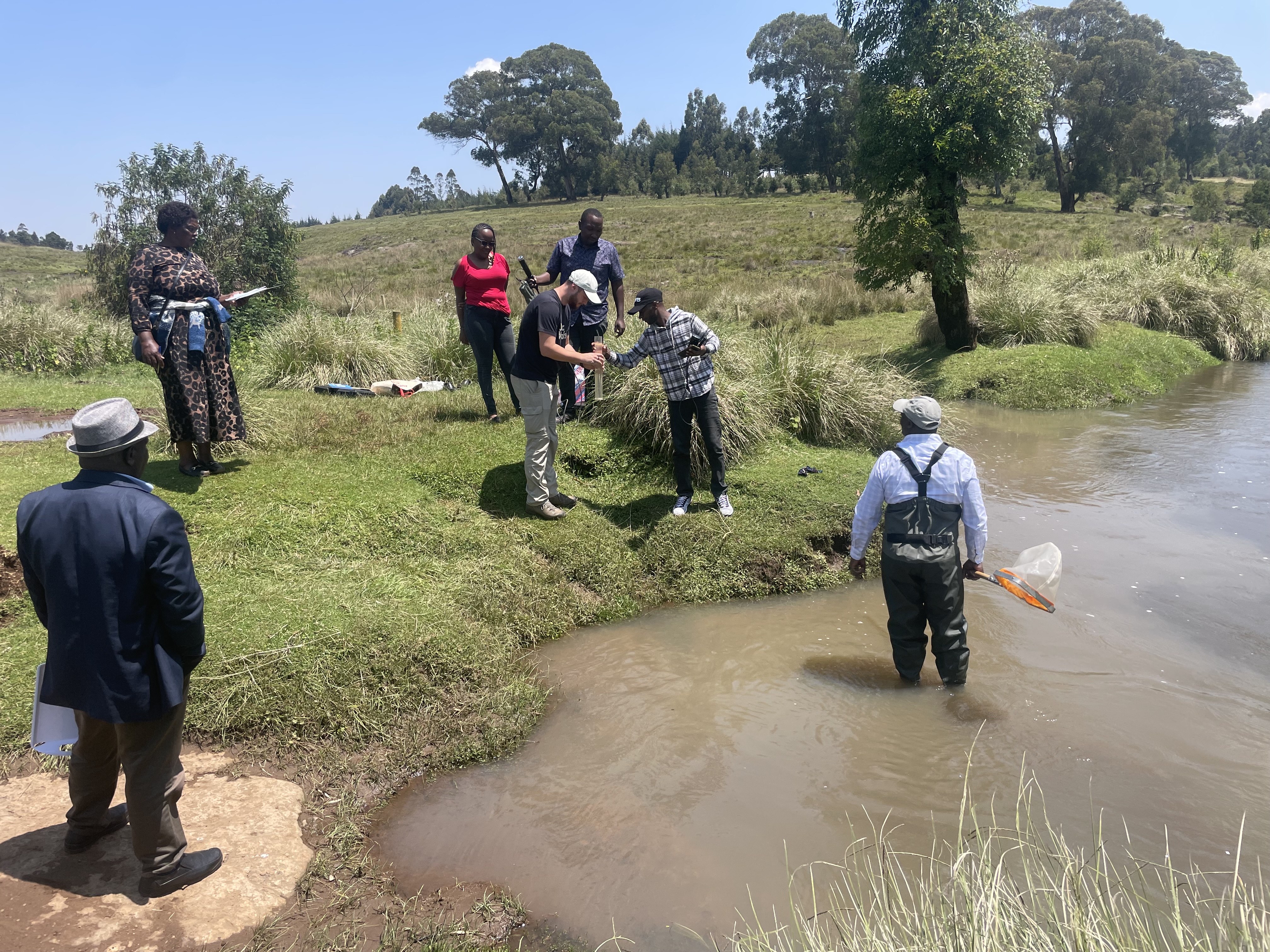
Eight WRUAs continued their monthly River Health Assessments, community-led checks that track water quality and river life. During the visit, WRUA members shared challenges such as broken equipment and the need for greater youth involvement. Proposed solutions include sharing results through WhatsApp, printing additional manuals and partnering with local universities to involve students in the work.
Better monitoring, better data
Reliable data is the backbone of water management. During the mission, new water level loggers were installed and a simple KoBo app was introduced to help gauge readers send data instantly to the WRA. KoBo is a mobile data collection tool customised to allow gauge readers to enter water level readings on their phones and send them directly to the WRA through an online form. This reduces delays, improves accuracy and supports real-time monitoring.
The Blue Deal began work to rehabilitate a monitoring borehole in Muranga to strengthen groundwater monitoring. The rehabilitation began with an assessment of the borehole, which will inform the next steps to operationalise it.
Finance and compliance
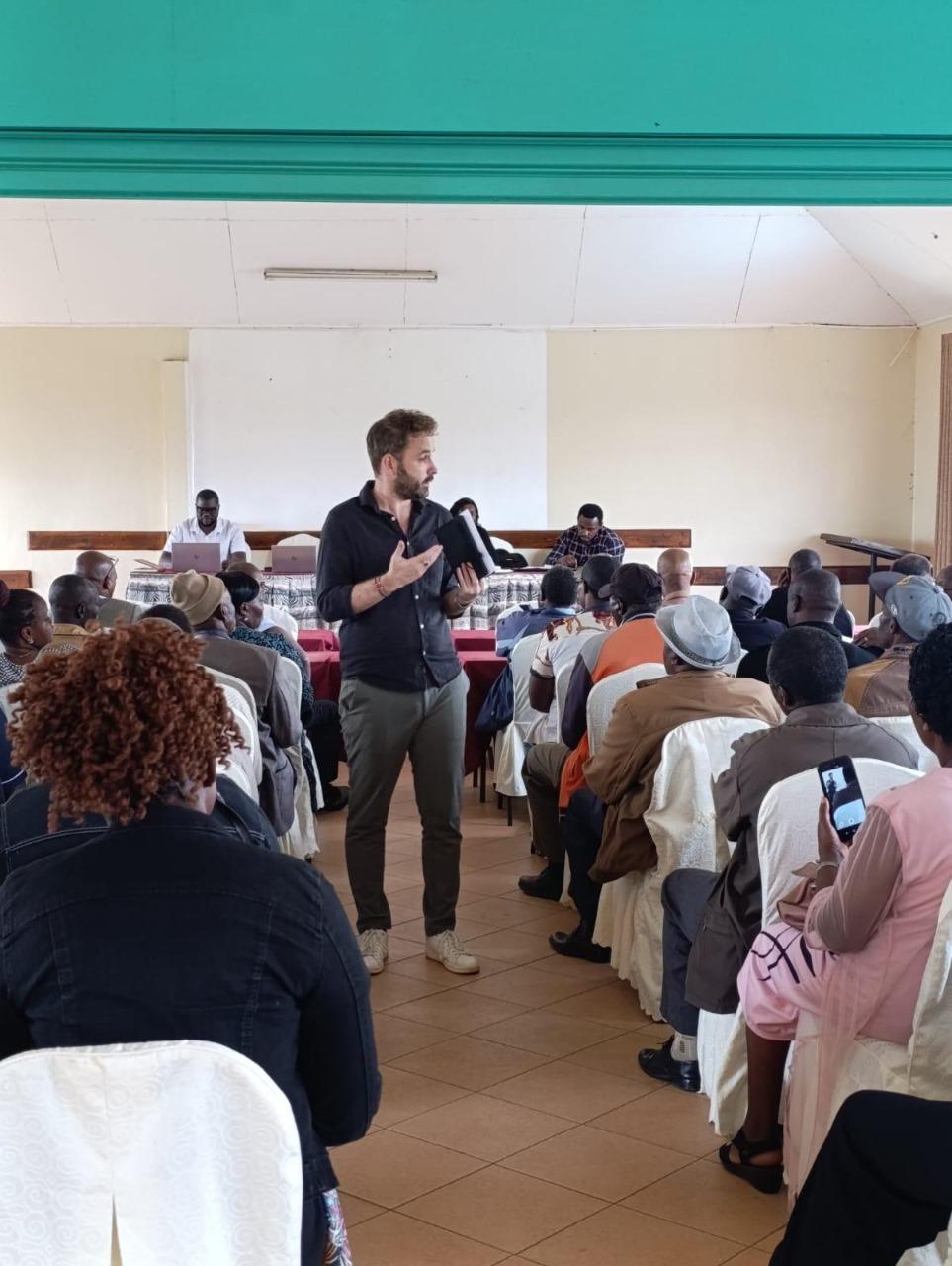
A lot of change happens out in the field, yet finance and regulations are elements that cannot be ignored. We tackled these topics during nine training sessions on the Water Resources Regulations 2025, which reached more than 500 participants. Topics included permitting, tariffs and smart meters. Feedback from abstractors will guide the next steps, which include walk-in helpdesks, enforcement and making smart meters more affordable.
Wrapping up the mission
This mission was a stepping stone towards the 2026 annual plan and showed how technical expertise and community action go hand in hand. Together, we are building a future of healthy rivers and secure water for all.
For more information, feel free to reach out to Team Kenya.