One year ago, World Waternet launched an innovative project in Burkina Faso: ECDD-GIRE (Water:Key to Sustainable Development – Integrated Water Resources Management). Funded by the Embassy of the Kingdom of the Netherlands, ECDD-GIRE is a demand driven peer to peer support project for improved of Integrated Water Resource Management (IWRM). In this consortium project World Waternet, Agriterra, and AUXFIN share knowledge, best practices and facilitate implementation in the field of sustainable water management and efficient water use for agriculture. Designed to strengthen community resilience to climate change, it is built on IWRM, the promotion of gender equality and social inclusion, and the adoption of innovative and sustainable nature-based solutions for healthy water cycles.
Climate change challenges
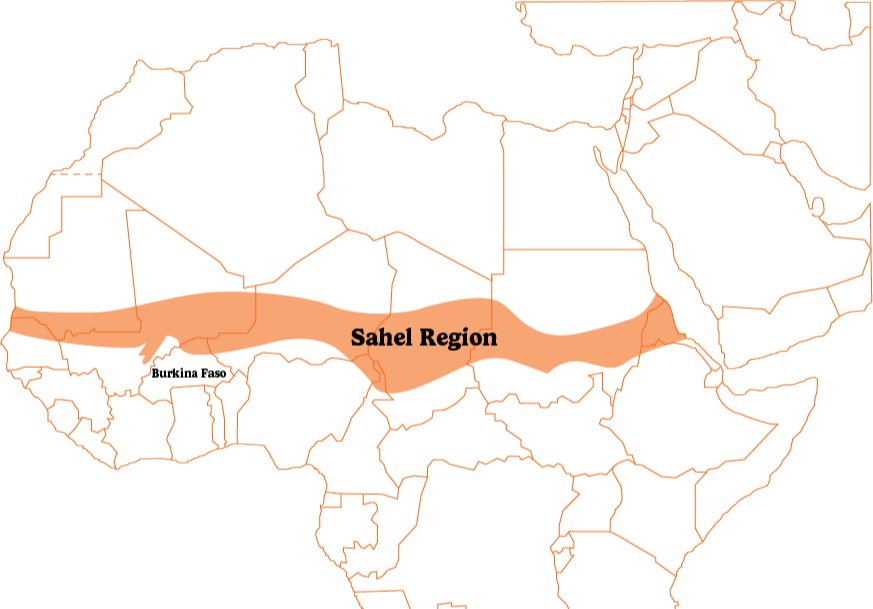
Burkina Faso is a Sahelian country, located in the semi-arid region south of the Sahara. Agriculture is essential for the economy and is the main activity for almost 90% of the population, with a focus on rain-fed, small-scale subsistence farming.At the same time, agriculture consumes 75 percent of all water resources (ECDD-GIRE inception report, 2024) and the country faces a fast-growing population, economic struggles, internally displaced people and increasing insecurity. Every day, people struggle with degraded soils, and limited access to water . This situation is worsening as a result of climate change.
Gender equality and water management
In Burkina Faso, women face many gender disparities in agriculture, shaped by traditional norms that limit their access to land, credit, and resources. Women farmers often work longer hours than men, yet have fewer opportunities for formal education and earn lower incomes. Their limited access to water, irrigation systems and water storage facilities increases the risk of crop failure, food insecurity and economic development.
While both men and women depend on water for agriculture, their needs are not the same. Women are often responsible for collecting and managing water for households, small-scale farming, livestock, and vegetable gardens. They need a reliable, safe, and sufficient water supply to meet both domestic needs and the irrigation demands of rain-fed and irrigated crops. Women need access to practical training to optimize rainfed agriculture and equal decision making power for IWRM via local water committees (CLEs).
Stepping up to the challenge: the ECDD-GIRE partnership focus
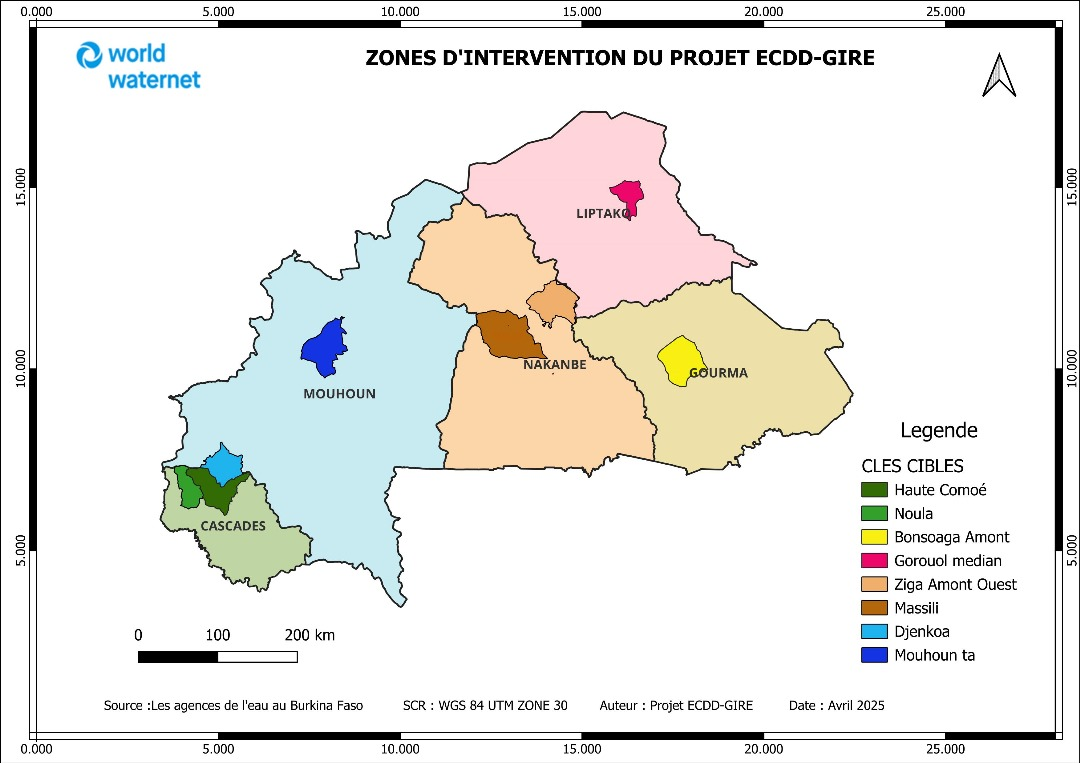
Funded by the Embassy of the Kingdom of the Netherlands and implemented by World Waternet, Agriterra, and AUXFIN, the project works in close collaboration with the five water agencies of Burkina Faso; Cascades, Gourma, Liptako, Mouhoun, and Nakanbé, as well as eight local water committees (or CLEs in French). Together, they demonstrate that IWRM, driven by innovation, gender equality and social inclusion, is a strong pathway to sustainable development. ECDD-GIRE builds on a long-term and foundational Dutch funded Blue Deal program relationship since 2017 between the Netherlands and the five water agencies in Burkina Faso.
Through a combination of digital tools, field training, and community engagement, ECDD-GIRE strengthens local governance of water resources, while ensuring equitable access for all users. Women and youth are actively trained and empowered to take part in decision making and water management, while agricultural cooperatives adopt sustainable practices guided by the 3R principle: recharge, retention, and reuse. The project also restores and safeguards water and soil, improves irrigation and drinking water infrastructure, and establishes community led monitoring systems.
Expanding access to knowledge through digital tools
By filming and digitizing approaches the project envisions to bring together good IWRM practices in a WaterCoach application, developed in partnership with AUXFIN. To date, the project has produced fourteen educational videos on rainwater harvesting and catchment protection, such as sand dams and vetiver planting. In addition, an organizational holistic approach was set-up to allow for scaling community activation beyond the targeted eight local water committees (CLEs), and -at the same time- introducing other impactful topics such as WASH, finance, agriculture, health, professional integration, etc. by also disseminating best practices on these topics via educational resources in video format.
By 2026, the WaterCoach strives to reach more than 120 community groups -representing nearly 6,000 households. This digital approach complements face-to-face training and contributes to equal access to information and strengthen climate- and economic resilience within the grassroots communities in Burkina Faso.
More inclusive and better-governed cooperatives
In the Cascades region, Agriterra supported sixteen cooperatives to develop their first action plans and strengthen governance. Gender equality and social inclusion were placed at the heart of the process.
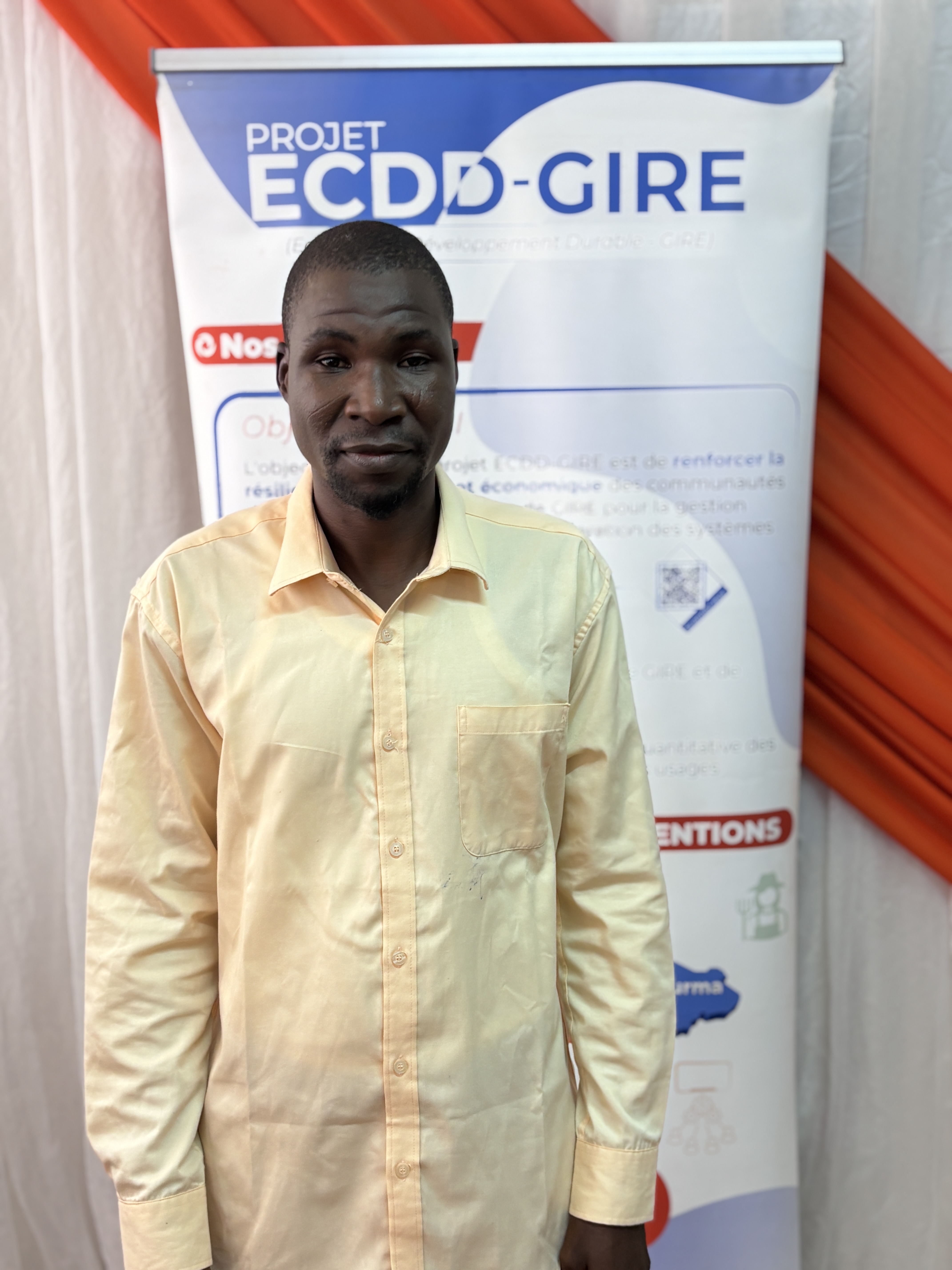
“Thanks to the ECDD-GIRE project, we were able to set up and activate four groups in the CLE Noula en 7 groups in the CLE Haute Comoé, three groups for IWRM and one for cooperatives. We carried out nature-based solutions such as building a sand dam in the village of Douna and planting vetiver around Lake Niankar with the Haute Comoé CLE. We can only thank the ECDD-GIRE project for these noble actions, and we look forward to what comes next.”
-Ouedraogo Ousmana, Secretary General of CLE Noula and Provincial Director of Agriculture, Léraba
Inclusion and resilience in the face of climate and security challenges
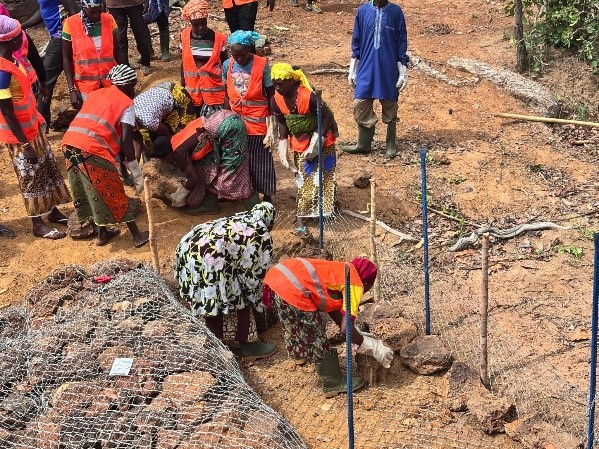
From dune stabilisation in the Sahel to soil restoration around Lake Niankar, and the 3R approach (Retention, Recharge, Reuse) in Fada, communities, and particularly women and youth, are actively involved in the solutions being implemented.
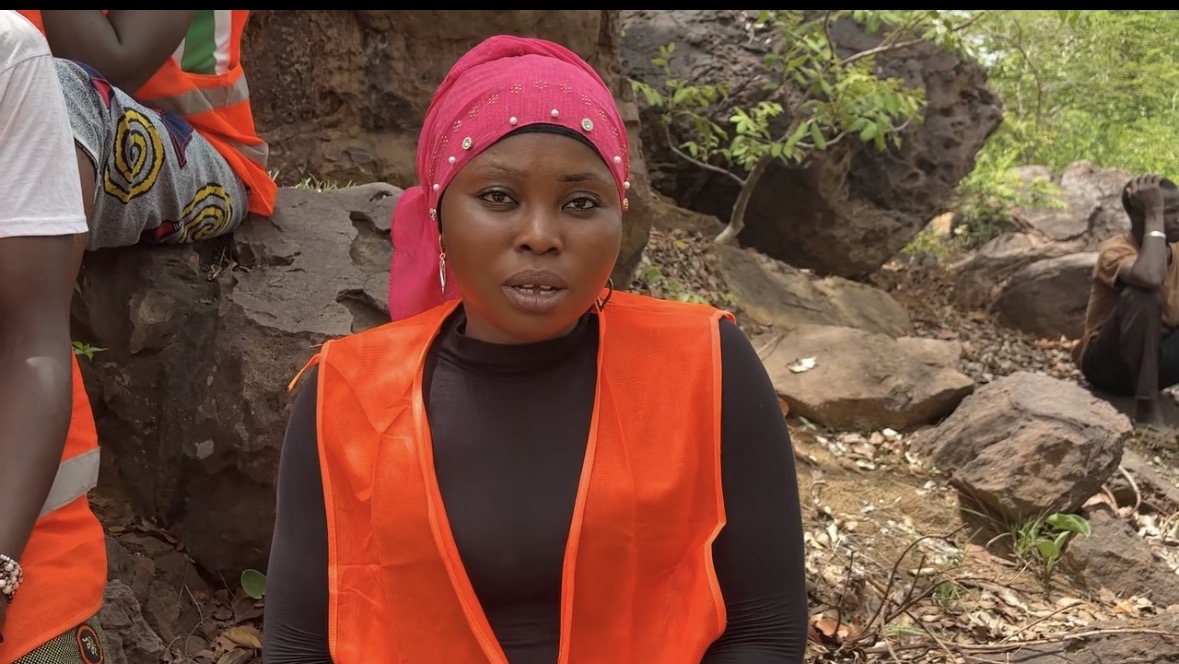
“Before, we did not have the knowledge needed to manage our resources sustainably. With the training and support we received, we are already seeing a difference. The young people in our community are becoming more engaged, and this is changing the dynamics.”
-Drabo Djeneba, member of the community in the Green Belt
Nature-based demonstration plot and training
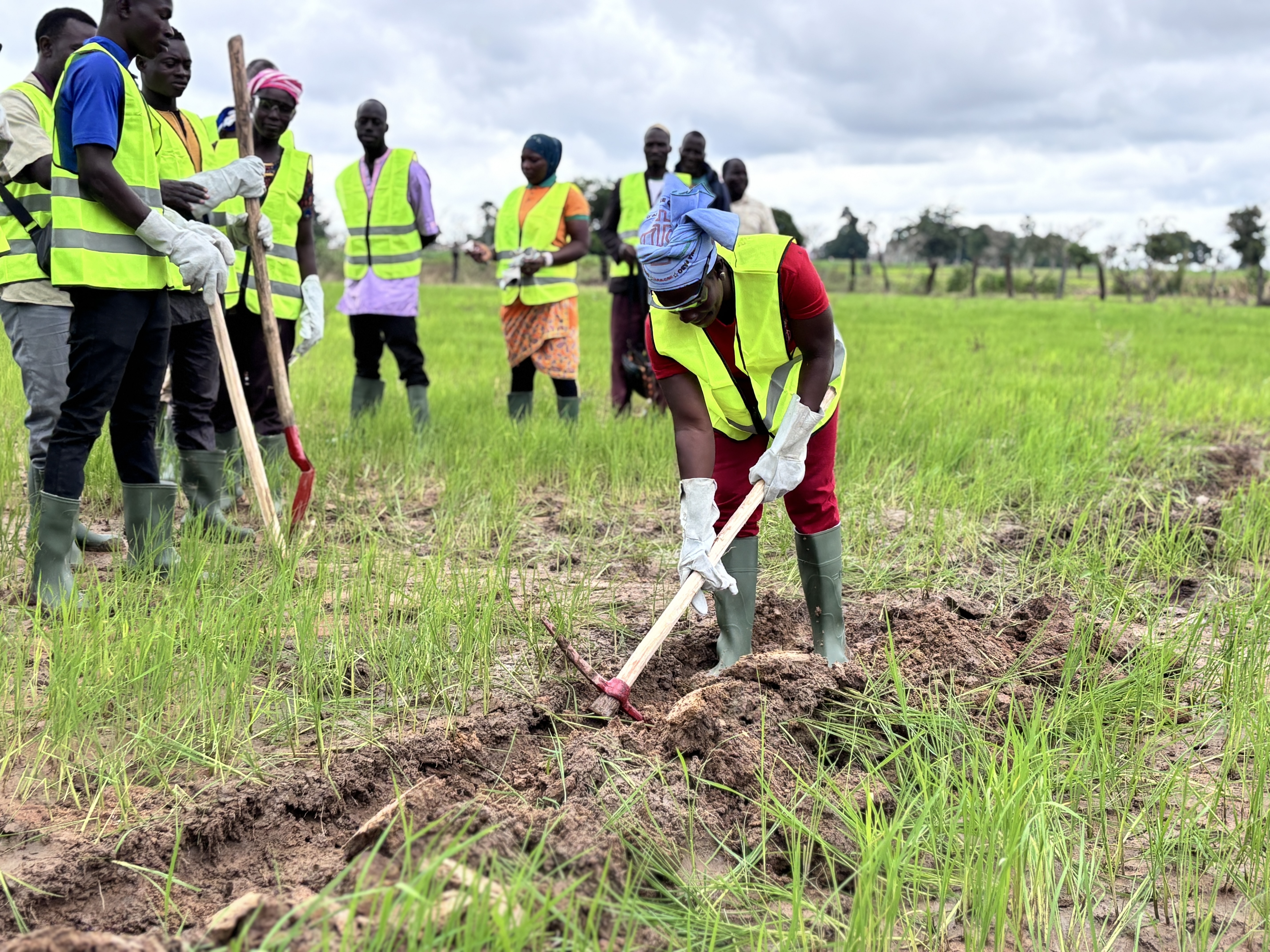
La Saisonnière a local NGO successfully delivered a hands-on agroecology training under the ECDD-GIRE project in Ouagadougou's Green Belt. Four experienced trainers guided 20 participants in establishing a demonstration garden showcasing climate-resilient farming techniques. Sixteen specialized garden beds were created for different crops and seasonal conditions: raised beds (parsley, sorrel), sunken beds (okra), half-moon beds (spinach), Zai and Koglgo beds (okra), simple beds (mint), sandwich mounds, and permanent beds (carrots, celery).
The highly engaged women gained practical skills by hands-on learning. Despite water infrastructure challenges, the strong commitment of the trainees ensured ongoing watering and maintenance of the plot.
"This project goes beyond teaching IWRM. It empowers women and youth to drive their own economic development while protecting their environment. What we've learned this year will benefit countless others in the future."
-Mme Sedgho Sophie, Présidente of La Saisonnière.
This initiative highlights the combined efforts of ECDD-GIRE and Saisonnière's technical expertise, effective training methodology, and ability to deliver -and scale results even under challenging conditions.
Training for long-term impact
To ensure scaling and sustainability of results, the project launched the first certified IWRM training program, in partnership with Joseph Ki-Zerbo University. Young engineers and technicians are building their skills through a combination of theory, practice, and peer-to-peer learning.
One year on: a catalyst for change
In just one year, ECDD-GIRE has emerged as a catalyst for climate resilience and sustainable transformation in rural areas. It shows that when IWRM is integrated with gender equality and social inclusion, and supported by tailored digital innovations, it becomes a powerful driver of sustainable development.
Looking ahead, the focus will be on scaling up these practices, building local expertise, and securing long-term sustainability. By 2030, World Waternet aims to positively impact 6 million people through our Water Operators Partnerships. The ECDD-GIRE provides a valuable partnership for scaling best IWRM practices in the Sahel region. Because we believe that a healthy water cycle should be treated as a global common good, for future generations, in the interest of all.