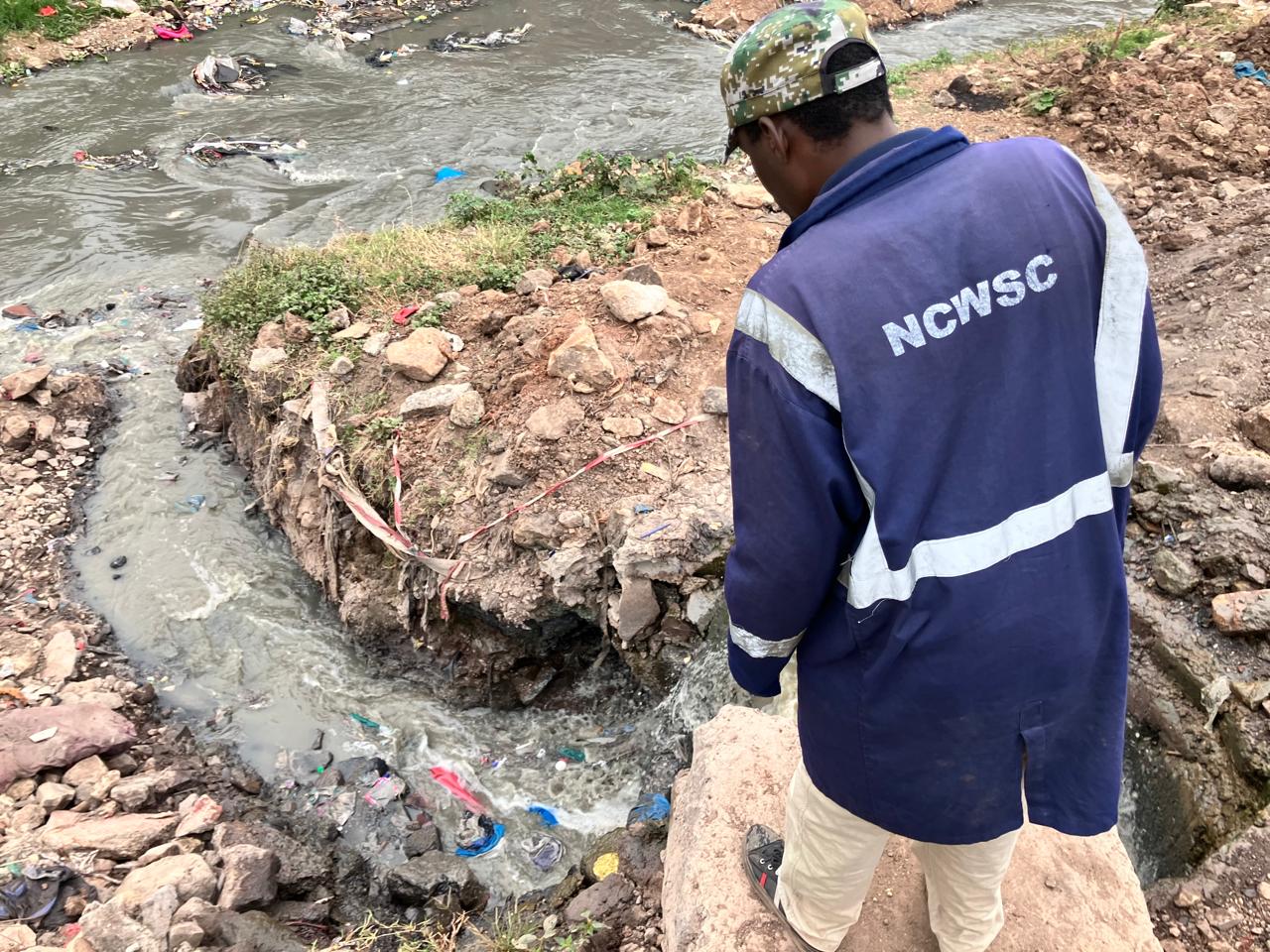
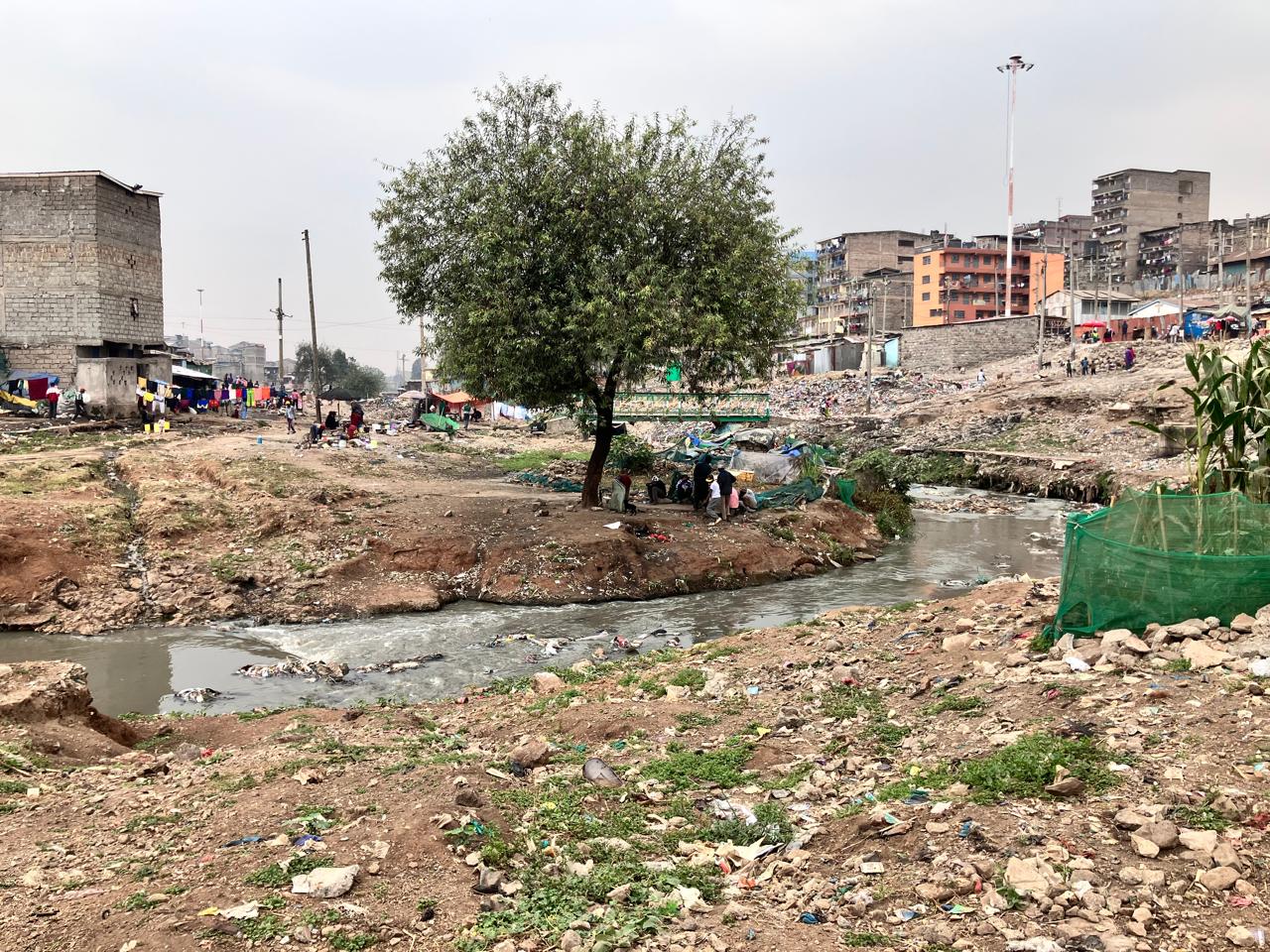
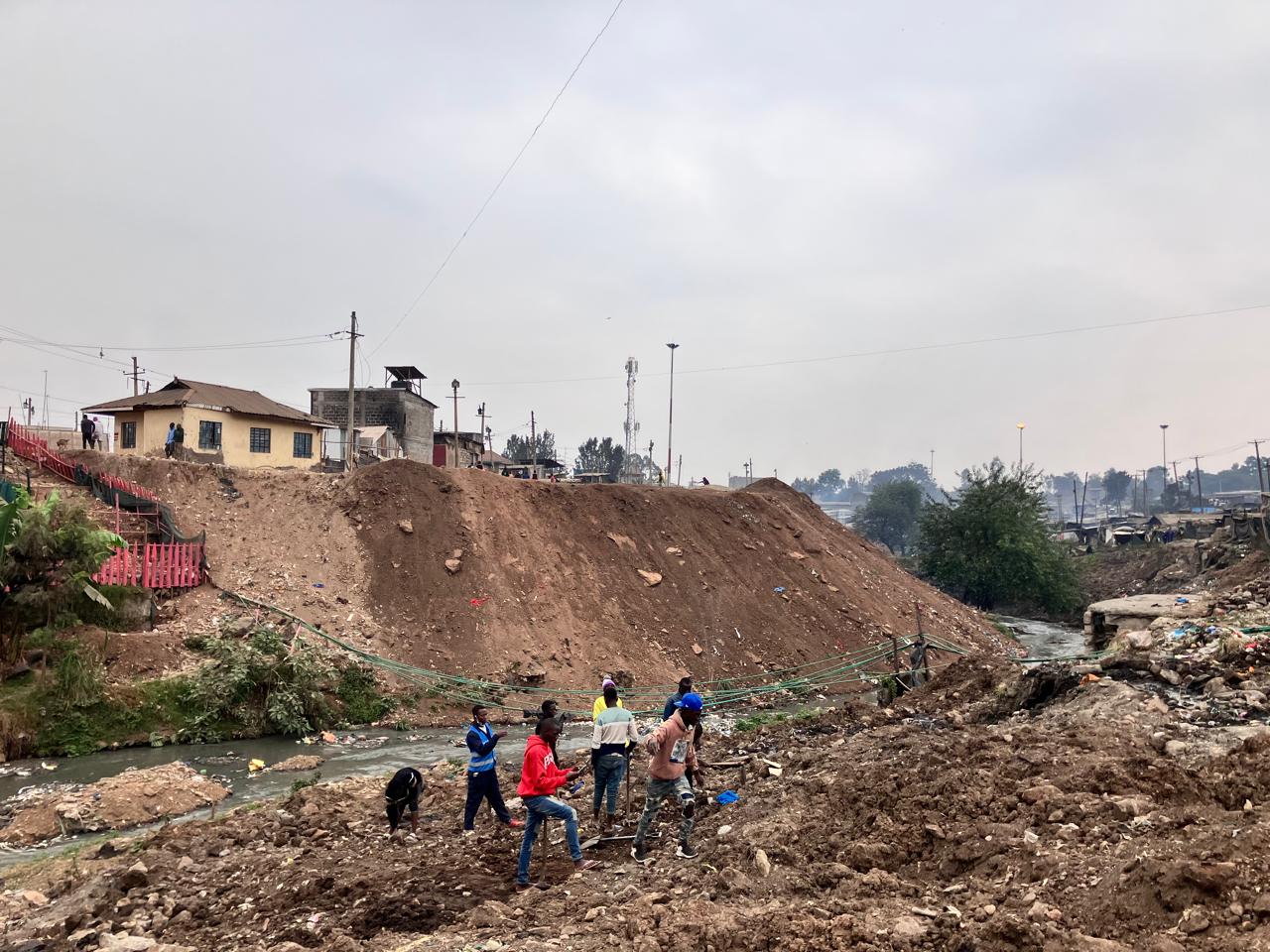
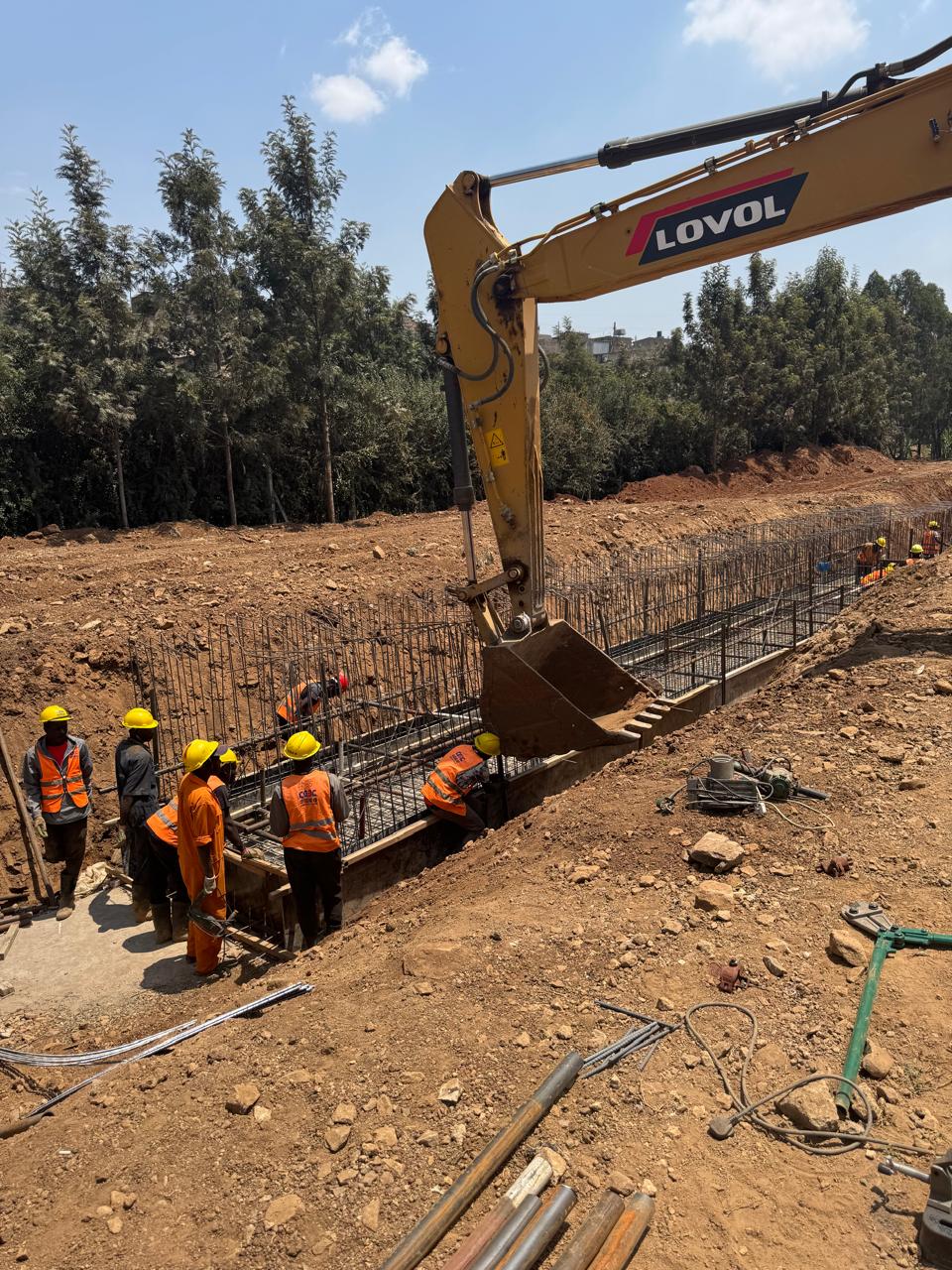
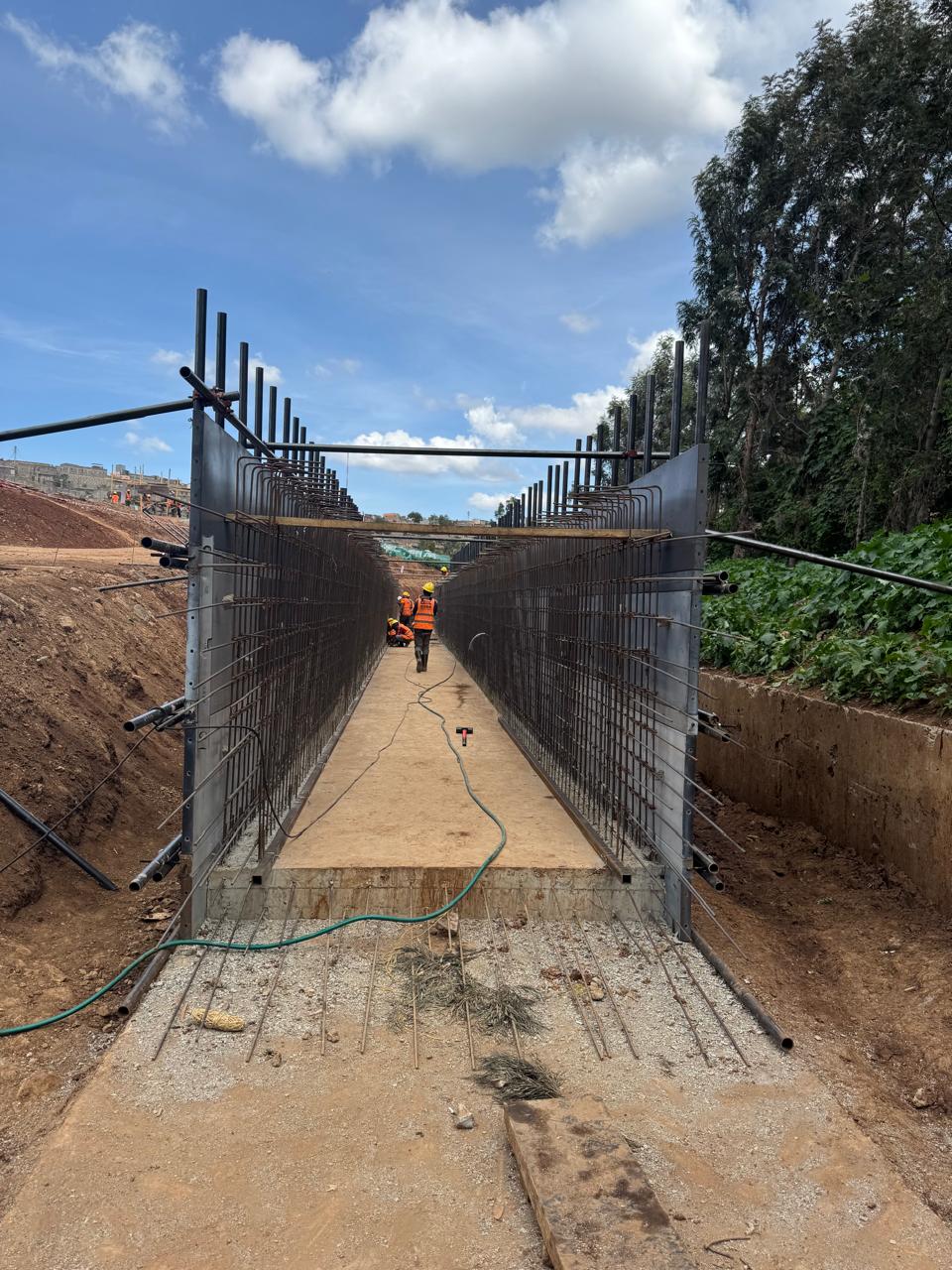
When the floods of 2024 swept through Nairobi's river corridors, it exposed and expanded a long-standing vulnerability: critical sewer infrastructure running alongside the city's rivers had been severely compromised. Overflowing sewers, blocked lines, and untreated wastewater finding its way into rivers threatened public health, environmental integrity, and the wellbeing of communities living along these riparian zones.
Investing in climate adaptation
In response, the Climate Adaptation Fund Work Stream 3 (WS3) intervention by World Waternet and Nairobi City Water and Sewerage Company set out to do more than repair damaged infrastructure. It aimed to restore resilience, protect river ecosystems, and improve the quality of life for communities living closest to the rivers by rehabilitating to the best extent possible 55kms of sewer lines along Nairobi’s rivers.
Through a co-financing partnership between the Nairobi City Water and Sewerage Company (NCWSC) and WaterWorX, works valued at KES 33.4 million (approximately 22 thousand euros) were undertaken, with NCWSC contributing KES 15 million from its own resources. Implementation was carried out in-house by NCWSC regional teams, under the leadership of the Environment and Compliance Department while oversight was provided by the Kenyan World Waternet team led by project manager Michelle Otieno.
Sewer systems in Kenya
Sewer systems are designed to collect wastewater from homes, businesses, and industries through a network of smaller lateral pipes that feed into larger trunk sewers. These trunk sewers rely primarily on gravity to transport wastewater downstream to treatment plants, with pumping stations used in low-lying areas where gravity flow is not sufficient. When sections collapse, become blocked with silt and debris, or are damaged by flooding, the entire system’s efficiency is compromised, often leading to overflows into rivers and surrounding communities.
Restoring key infrastructure for river health
The intervention rehabilitated key trunk sewers running along the Nairobi River and its principal tributaries—Ngong, Mathare, Kiu, Ruaraka and Gitathuru—many of which had become non-functional after repeated flooding. Damaged sections were reconstructed, clogged lines flushed and desilted, missing manhole covers replaced and long-abandoned customer connections reinstated. Delivered in close coordination with the National Government’s Climate WorX Mtaani initiative, the works were aligned with wider river basin restoration efforts, strengthening their overall effect. The outcomes have been both immediate and far-reaching, while offering practical lessons to support sustainable operations and maintenance over the long term.
Reduced river contamination improves livelihoods along Nairobi’s Rivers
With sewer lines restored to full functionality, household wastewater is no longer routinely discharged into the Nairobi River, improving water quality across sections of the ecosystem. The impact is tangible for the more than 1.2 million people living along the riverbanks, many in informal settlements within or adjacent to riparian corridors. Households that had disconnected from the system due to repeated failures have resumed using reliable sewer connections, regaining access to safe off-site wastewater disposal. In turn, cleaner waterways have been accompanied by improved sanitation and better ambient air quality, as areas once marked by frequent overflows and persistent odours now offer healthier living conditions and reduced exposure to harmful pollutants.
The journey towards a sustainable sewer system continues
The journey, however, was not without its challenges and the rivers are not clean yet – the effort continues. Recurring blockages requires some sewer sections to be flushed regularly, while theft of manhole covers, vandalism, and the dumping of solid waste into rehabilitated manholes threatens system sustainability. In several riverine stretches, difficult terrain and limited accessibility further complicates implementation efforts. The utility, the county government and the national government will have to continue investing a lot to increase sewer coverage, from trunk lines to laterals and last-mile connections, to one day be able to call Nairobi’s rivers swimmable again.
Community involvement is crucial for lasting change
The challenges encountered underscore a central lesson: infrastructure alone does not secure lasting impact. Long-term sustainability rests on community ownership, behavioural change and sustained stakeholder engagement. Platforms such as the Mathare River Initiative, which convenes local actors for dialogue and collective problem-solving, will be instrumental in consolidating progress, alongside continued infrastructure investment and forthcoming social housing interventions in the years ahead.
The WS3 intervention demonstrates how climate adaptation, environmental restoration and social impact can be advanced in concert. By restoring sewer functionality within flood-prone riparian corridors, the project has safeguarded rivers, strengthened urban resilience and improved living conditions for some of Nairobi’s most vulnerable communities. It affirms that locally led and well-coordinated climate action can achieve durable results. This approach underpins World Waternet’s water cycle strategy and its partnership with NCWSC and other partners in Kenya and beyond.