Annemarie Weijenberg is project manager of the World Waternet project in Morogoro. You had to wait a long time for this, more than two years in fact, but here it is at last:
Looking back on years of change
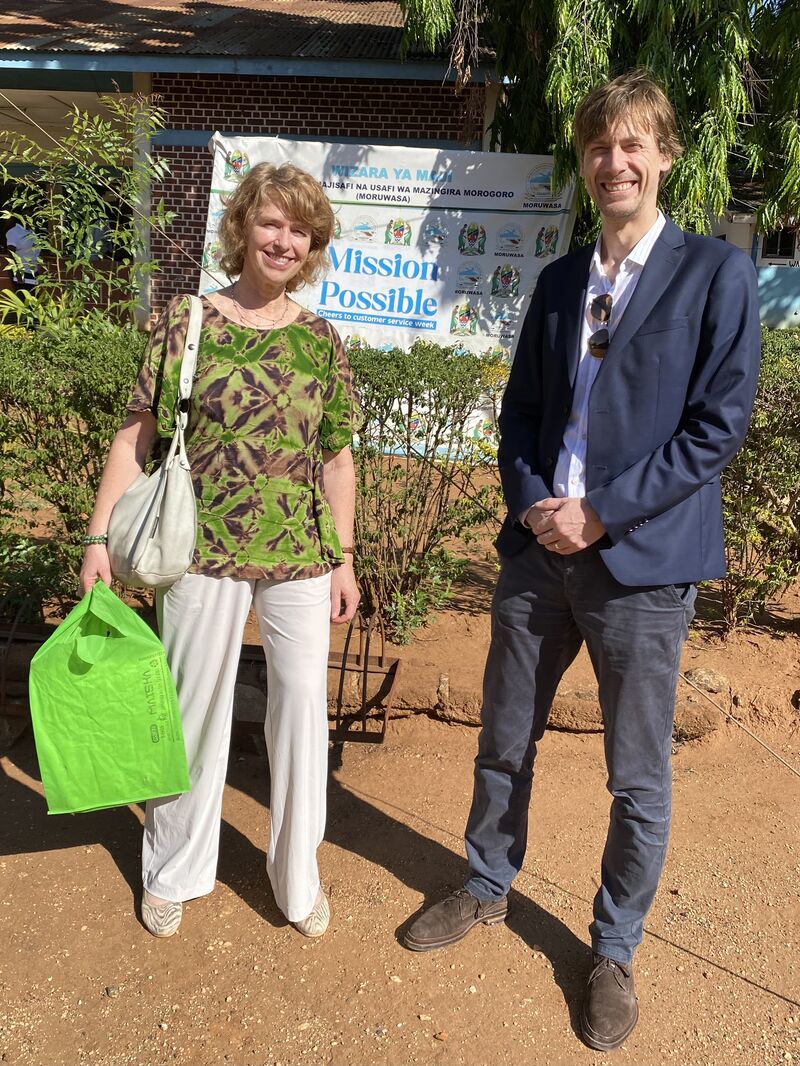
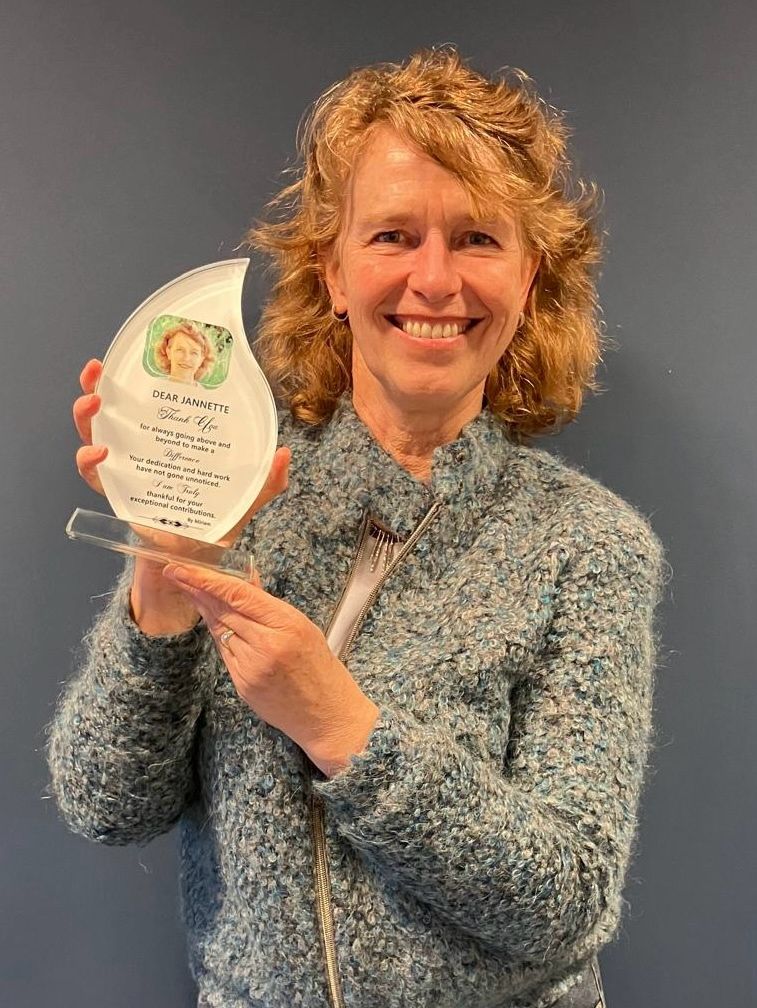
Over the past few years, we have experienced many changes within Waternet. Time has not stood still in Tanzania either, in our collaboration with MORUWASA in Morogoro. One of the biggest changes is that my partner from the very beginning, Janette Worm, will be shifting her focus to West Africa. After eight intensive years, she is handing over Tanzania to her successor, Maarten Wensing.
As part of our final trip together, I would like to take you along in the changes that Janette and I have experienced over the years.
A partnership that grew into family
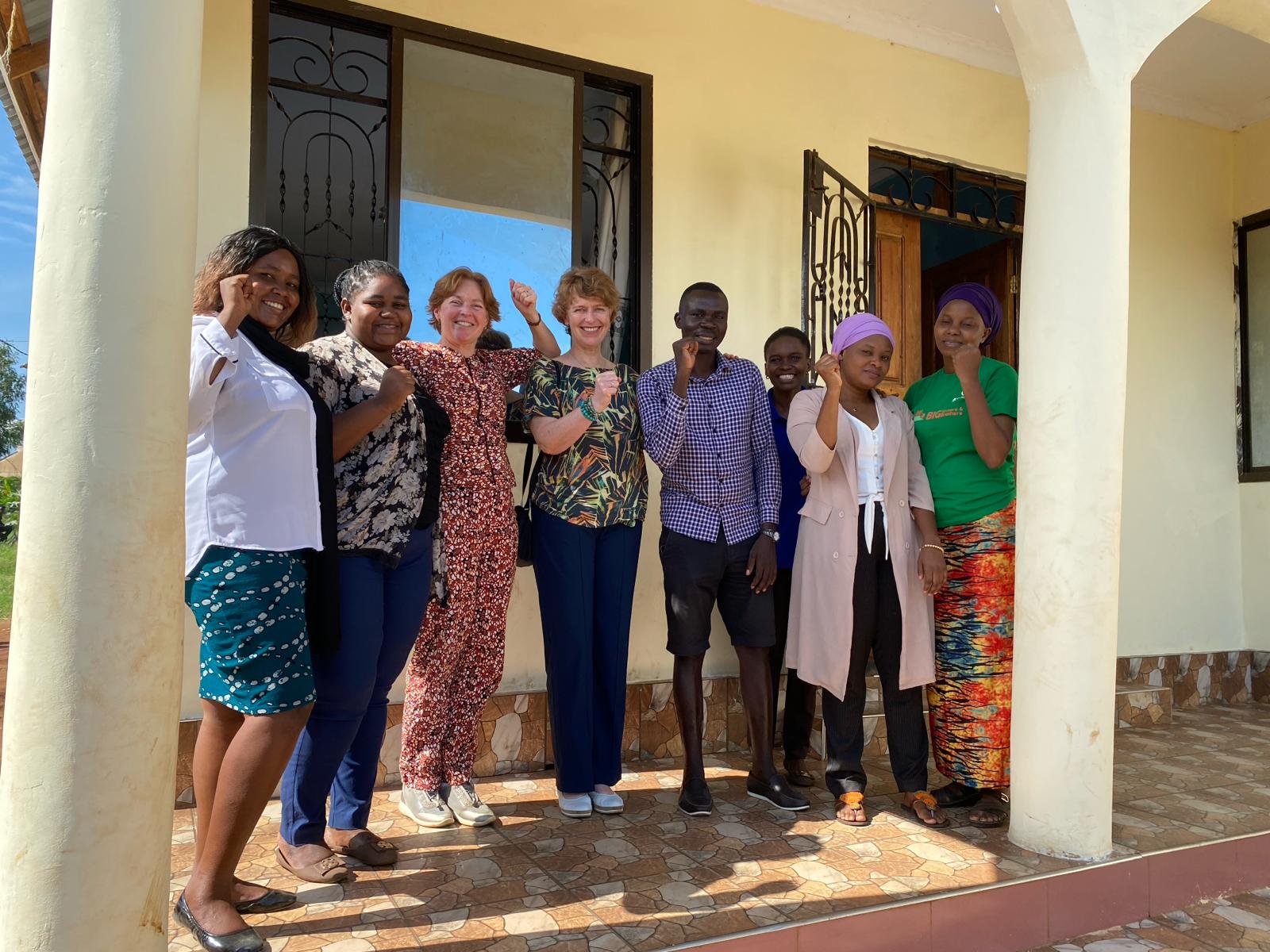
Since 2018, we have worked with three Managing Directors within our WaterWorX water operator partnership. The Managing Director is the head of the drinking water and sanitation utility MORUWASA in Morogoro. In the beginning, we really had to get used to each other, particularly due to strict hierarchy, a different culture and different customs. But step by step, mutual understanding and trust developed.
After eight years, we can proudly say that not only all staff members, but also the Managing Director has become part of what we now call our “Brothers & Sisters.” At Janette’s farewell at the end of November, there were tears on both sides. Everyone will truly miss one another.
Learning to navigate different systems
We also gained insight into the human resources policy. Every year around summer, personnel changes are decided and implemented from the top down. Suddenly, there are new points of contact for different themes. For example, someone from Water Resources may suddenly become responsible for Drinking Water. That was, and still is, quite bizarre and very different from what we are used to.
But in Tanzania, you are grateful to have a job, even if it does not fully suit you.
From drinking water to the full water cycle
By now, we have also achieved something else: we are no longer working only with the drinking water utility, but also with the water authority in Morogoro, forming a true water cycle collaboration. We are extremely proud of this.
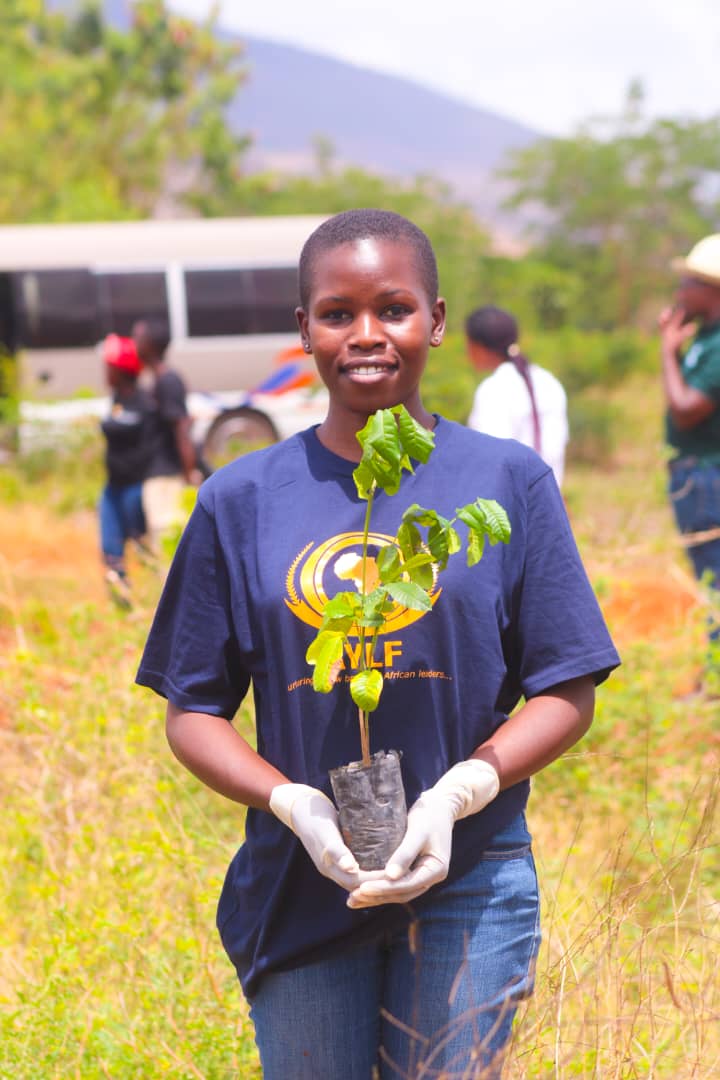
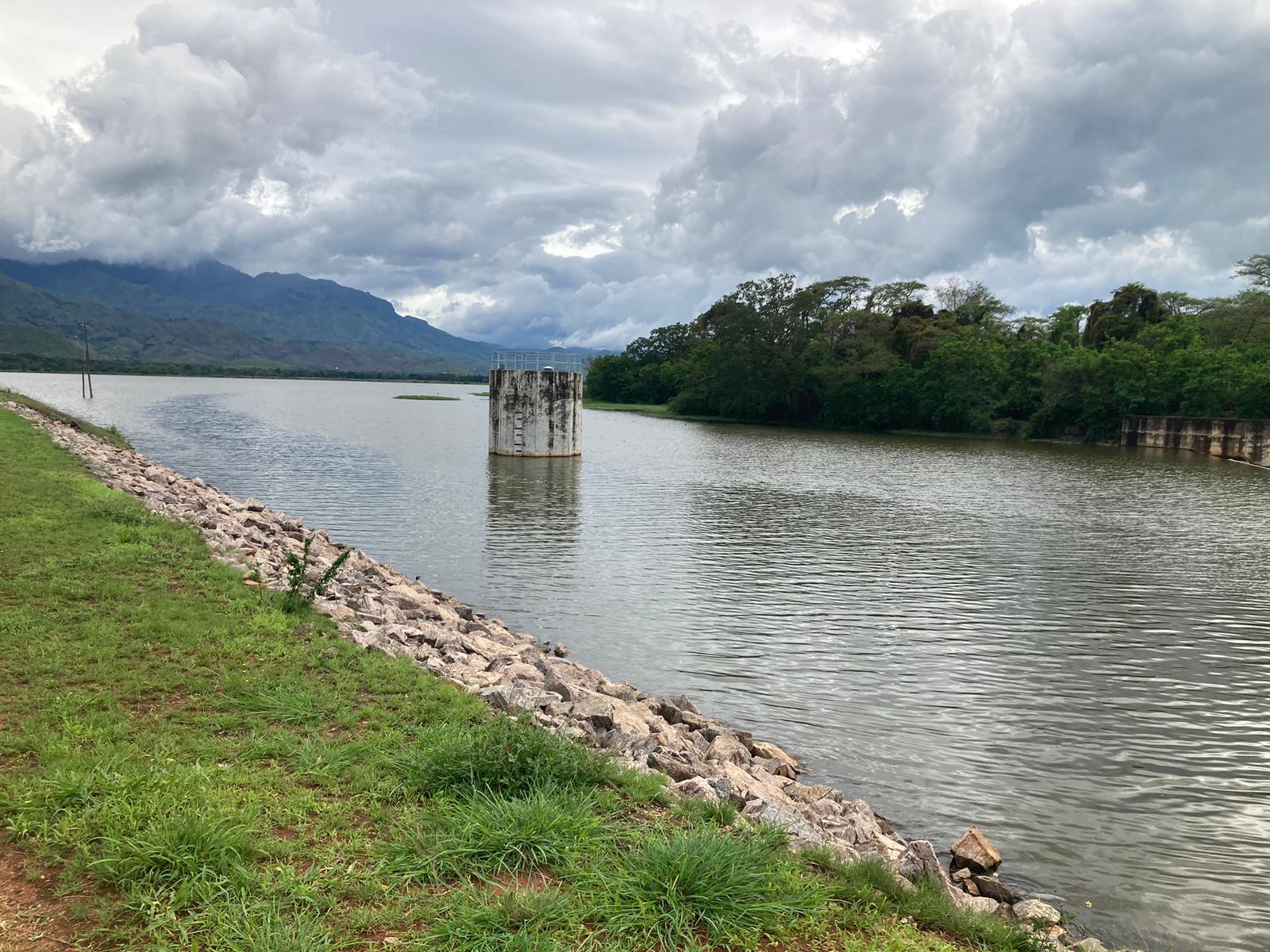
Alongside protecting the catchment area, we work together with local residents to make this possible through a water fund. After all, you can work on drinking water services, but without sufficient water sources, drinking water supply will eventually come to a halt.
A journey that became shorter and faster
Traveling to Morogoro, in the centre of Tanzania, has also changed. After a ten-hour flight, we would previously spend the next day in a taxi for five to six hours, or seven if we were unlucky, travelling at an average speed of about 30 km per hour.
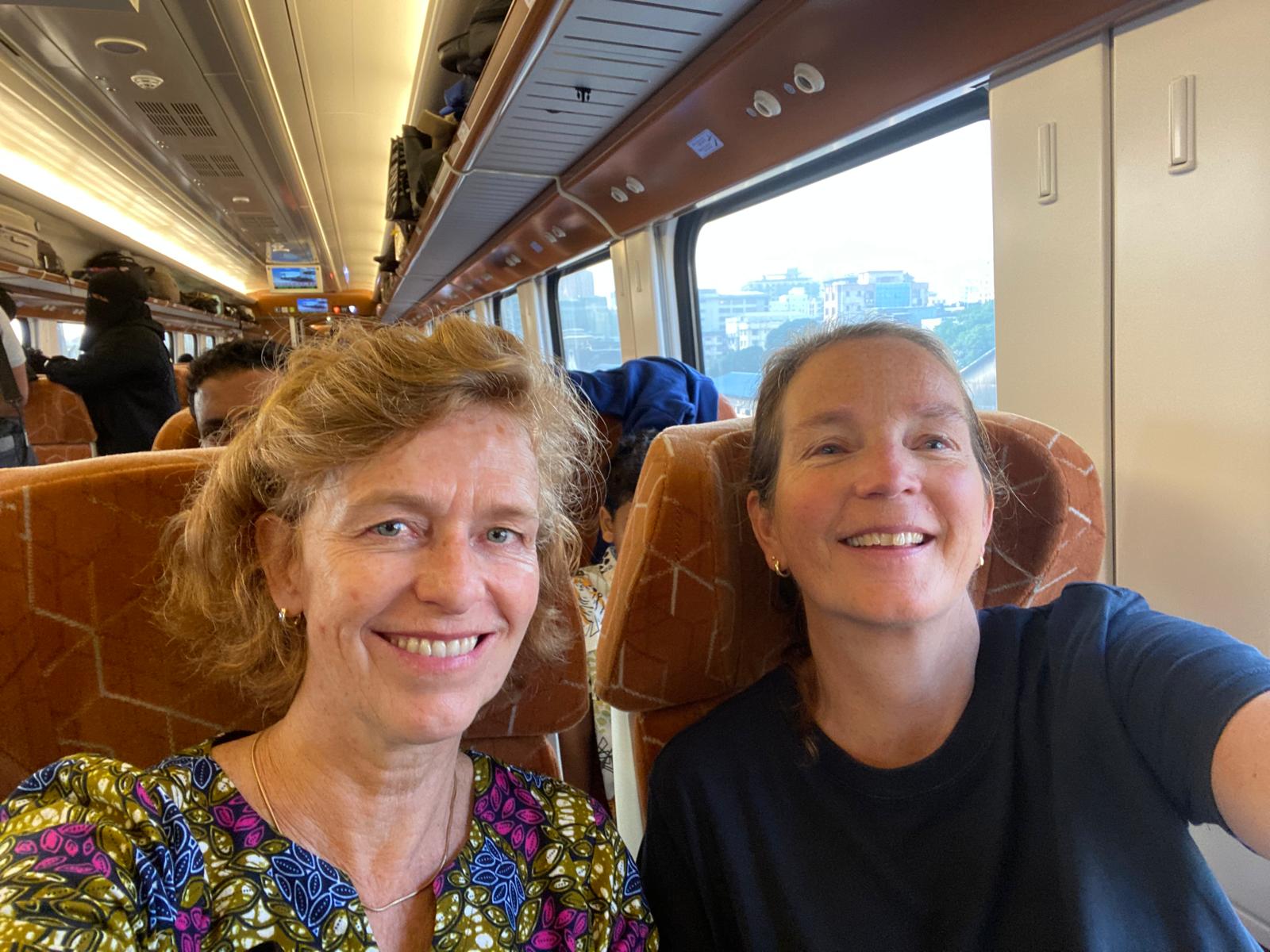
Since last year, a railway line has been put into operation, allowing us to travel by train from Dar es Salaam to Morogoro in just one and a half hours instead of by taxi. A huge time saving and far more comfortable. The results speak for themselves.
Infrastructure, growth and rising water demand
The construction of this railway connection took eight years. Already during our very first visit, we were told it would soon become operational. Pole pole, slowly slowly, as they say in Swahili.
This railway line to Morogoro, and even onwards to the capital Dodoma, is driving faster economic growth in Morogoro, with a rapidly increasing demand for water. The city is now much easier to reach for workers and goods.
When Janette travelled to Tanzania in August last year, she even found herself on the train with the president during the official opening. For a moment, she thought the president might be travelling to Morogoro for our project, but unfortunately that was not the case. She was, however, interviewed about the convenience of travelling by train.
Knowledge exchange at the heart of WaterWorX
Collaboration and peer-to-peer training are at the heart of the WaterWorX project between World Waternet and MORUWASA. We are not financial donors; instead, we bring knowledge and expertise to help the utility function better.
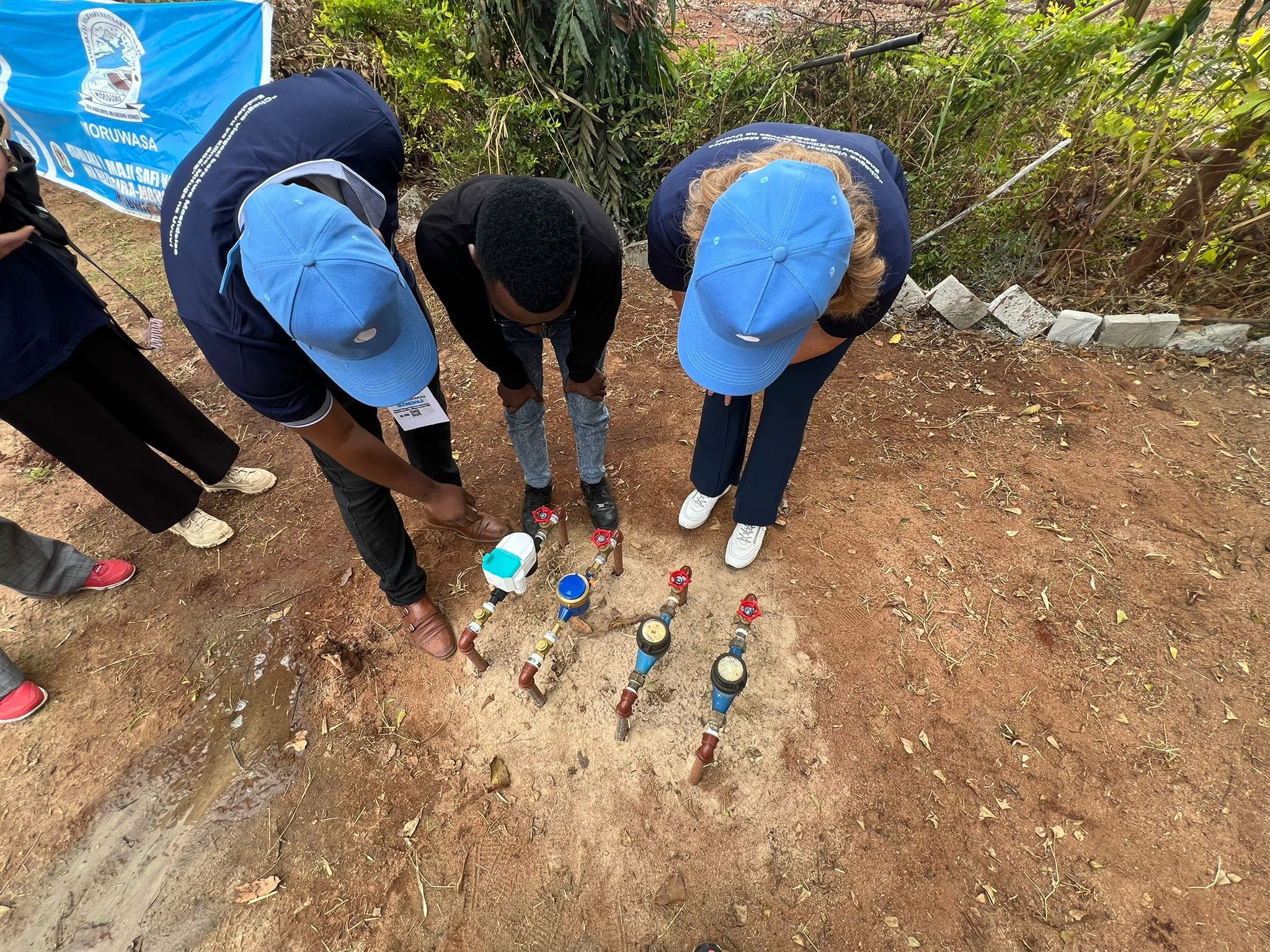
Over the past few years, we have delivered many trainings across a wide range of topics, including water quality monitoring, drinking water pipeline repairs, GIS, HR management, financial management, project management and fundraising.
Investing in young professionals
In addition, we made it possible for twelve Young Experts (YEPs) to receive an international training programme focused on soft skills. This training does not emphasise technical expertise, but rather communication and presentation skills, and how to say “no” to your manager when they show up at your desk at 6:00 p.m. with something that absolutely has to be finished by the next day.
We have truly seen all of these young colleagues grow, resulting in promotions for every single one of them within the water utility.
Gender equality and inclusion in practice
As women of World Waternet, we also place great importance on gender equality and social inclusion (GESI). And not only for women, but also for men and young people. This strategic focus has also been embraced in Tanzania, where more than 50 percent of the population is under the age of 35.
Although this topic was not considered very important at first, it gradually gained more and more traction. What once was a day dominated by speeches with political undertones has now become a day of learning and enjoyment, with singing about water loss, open discussions and shared reflection.
Difficult topics such as AIDS, behaviour and workplace safety are now openly discussed. “Avoid gossip at work” is one of the messages. There is something we can learn from that.
Small actions with lasting impact
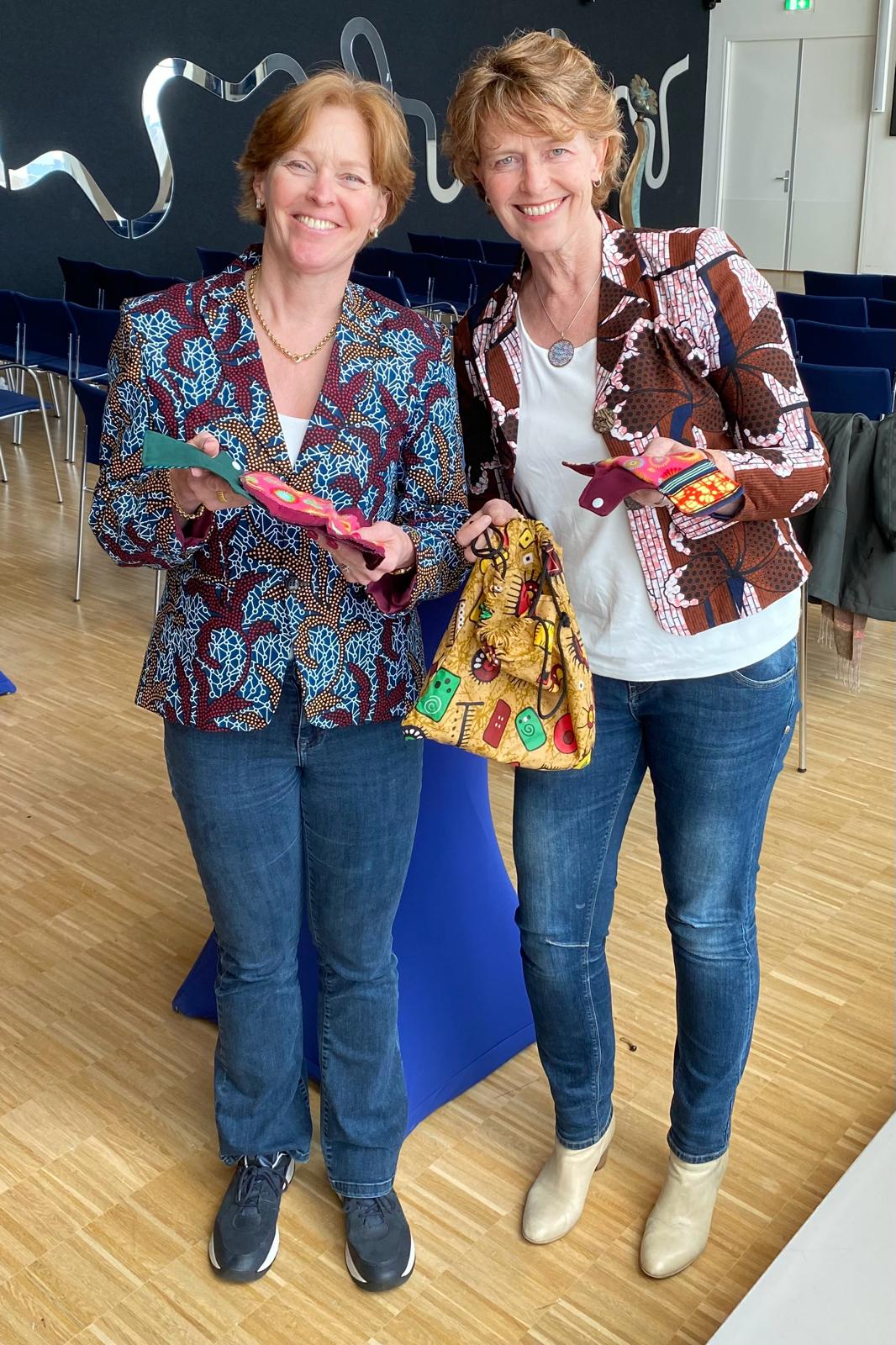
We also look back warmly on our personal initiative to promote reusable sanitary pads and to donate funds to the local NGO Kinara. People participated spontaneously, both within and beyond Waternet.
Through this initiative, we were able to provide 250 girls with reusable sanitary pads, enabling them to attend school uninterrupted for the next four years.
Facing uncertainty and extremes together
Of course, we also experienced less positive moments, such as the unrest surrounding the elections this year. During that time, both the internet and the airport in Dar es Salaam were shut down for several days. We did not anticipate this, and it was a new experience for us as well.
We experienced drought, which resulted in the city of Dar es Salaam, home to millions of people, having no running water for an entire week. There were also moments of extremely heavy rainfall, causing streets to flood and large areas of land and infrastructure to shift.
Resilience, flexibility and human connection
These extremes taught us how resilient the people of Tanzania are, and how flexible we ourselves can be.
What we cherish most from all these years is the kindness, enthusiasm, joy, willingness to work together and learn, and the resilience of all the people we have met.
Eight years of building relationships
It now feels like a natural moment to pause and reflect on the journey we have made together with the local teams. A journey that began in 2018 and has brought us to where we are today, full of challenges, growth and, above all, many beautiful results.
After eight years, we could sincerely say at Janette’s farewell that it feels as though we have become family. During her final visit in November, there were tears on both sides. That says everything.
That is the power of building relationships over eight years. That is why it feels as though we have become brothers and sisters.
And now… passing the baton to Maarten
He brings new energy, fresh ideas and a new perspective. At the same time, he builds on everything that has been established over the past years. Janette and I look back with immense gratitude.
Maarten looks ahead to all that is still possible in Tanzania, in close connection with the wider East African region.